
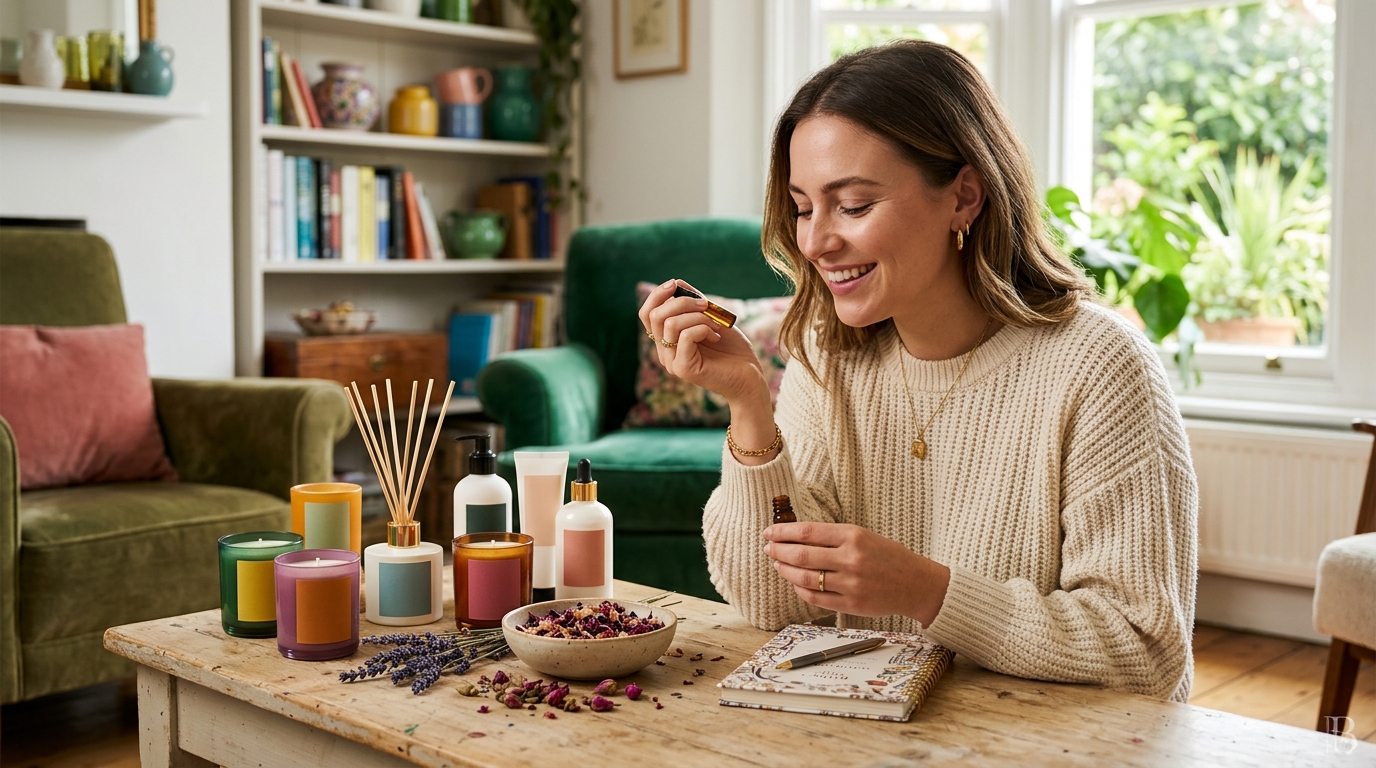
Finding the perfect scent is rarely a linear process. It involves navigating complex olfactory pyramids, understanding skin chemistry, and recognizing how temperature affects volatility. According to industry data, over 60% of consumers abandon their search for a signature scent because they rely on impulse purchases rather than a structured evaluation method. This guide provides the real results of a systematic approach to fragrance discovery, ensuring you invest in products that align with your lifestyle and personal identity.
Understanding Olfactory Families
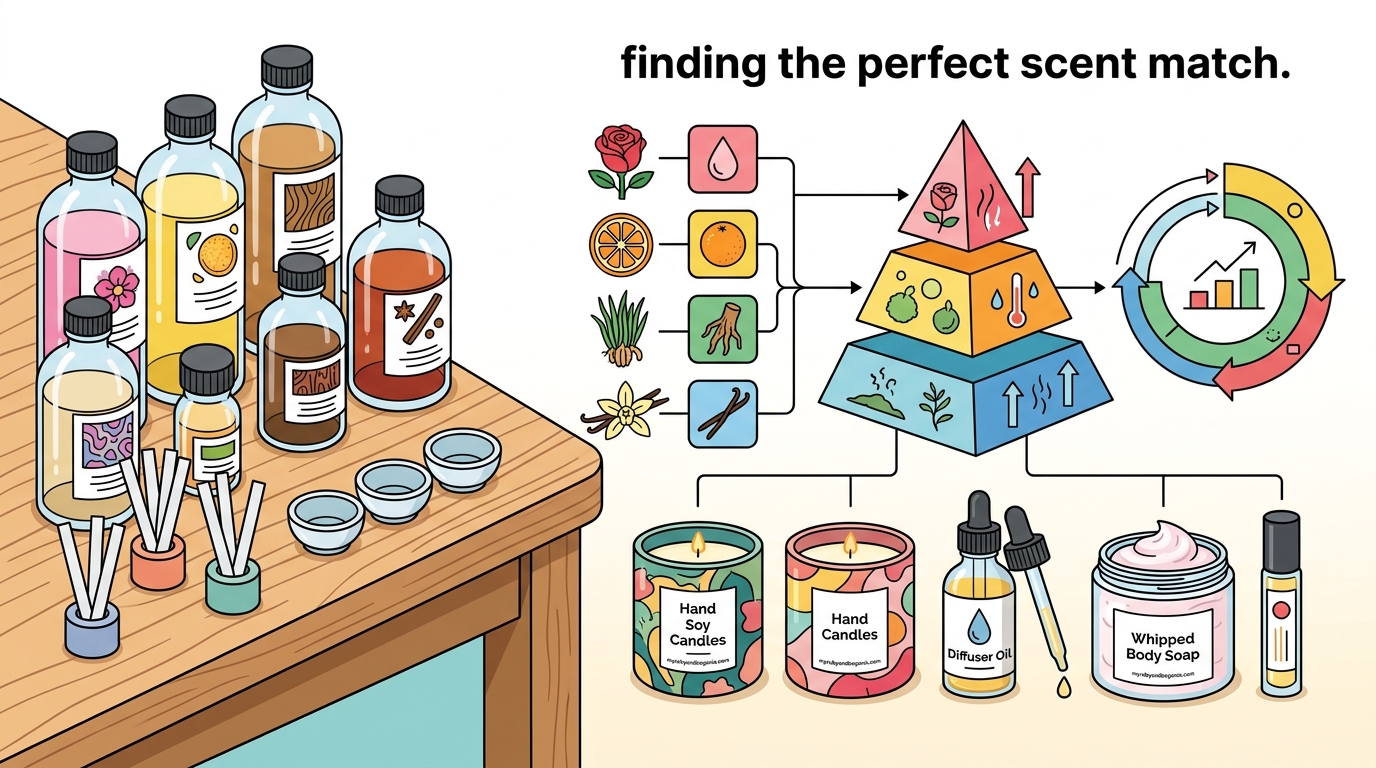
The first step in finding your match is identifying which olfactory family resonates with your personality. Fragrances are generally categorized into four main groups: Floral, Fresh, Woody, and Oriental. Each family offers distinct emotional and sensory profiles.
Floral fragrances are characterized by notes of rose, jasmine, and lily. They are often associated with romance, softness, and classic elegance. If you prefer a scent that feels familiar and comforting, this family is a strong starting point.
Fresh fragrances include citrus, aquatic, and green notes. These scents are invigorating and clean, making them ideal for daily wear or professional environments. They project an image of vitality and hygiene.
Woody fragrances rely on base notes like sandalwood, cedar, and vetiver. They provide depth and warmth, often perceived as sophisticated and grounded. This category is particularly popular for those seeking a more masculine or unisex profile.
Oriental fragrances feature rich ingredients such as vanilla, amber, and spices. They are intense, sensual, and long-lasting, making them perfect for evening wear or colder months. For a curated selection of these distinct profiles, explore the Shop Collections page to browse by scent type.
The Chemistry of Skin
Your skin chemistry is the single most variable factor in how a fragrance performs. A scent that smells sweet on one person may smell sour or metallic on another. This is due to the pH levels, oil production, and natural microbiome of your skin.
Skin chemistry is the unique biochemical interaction between your body's natural oils and the aromatic compounds in a perfume. This interaction alters the scent profile over time, creating a scent that is uniquely yours.
To mitigate the risk of a mismatch, always test fragrances on your own skin rather than on paper strips. Paper strips provide an initial impression but lack the warmth and oils that activate the fragrance. Allow the scent to settle for at least 30 minutes before making a decision. This period allows the top notes to fade and the heart and base notes to emerge.
For those with sensitive skin, consider exploring bath and body products that offer lighter, more subtle scent profiles. These items often use natural ingredients that are less likely to cause irritation while still providing a pleasant aromatic experience.
Concentration and Longevity
Not all fragrances are created equal in terms of potency. The concentration of perfume oil determines how long the scent lasts and how far it projects. Understanding these differences is crucial for making a realistic purchase.
Eau de Parfum is a popular choice for those seeking longevity. It typically contains 15-20% perfume oil and can last between 6 to 8 hours. This concentration offers a good balance between intensity and subtlety.
Eau de Toilette contains 5-15% perfume oil. It is lighter and fresher but requires more frequent reapplication. This is ideal for hot climates or active lifestyles where a heavy scent might be overwhelming.
Body mists and lotions have the lowest concentration, often under 5%. While they do not last as long, they provide a subtle, intimate scent trail. Layering these products can enhance longevity. For example, using a Whipped Body Frosting followed by a matching Eau De Parfum can extend the life of your fragrance significantly.
When evaluating longevity, consider the ingredients. Citrus notes evaporate quickly, while base notes like musk and amber persist. A well-structured fragrance will have a balanced composition that ensures it evolves gracefully throughout the day.
The Proper Testing Methodology
Most people test fragrances incorrectly. Spraying multiple scents on your wrists and sniffing them immediately leads to olfactory fatigue and confusion. A structured testing process yields far more accurate results.
Limit your samples to no more than three fragrances per session. Your nose can only process a limited number of scents before becoming desensitized. Taking breaks between tests is essential.
Wear the scent for a full day. Do not judge a fragrance based on its initial spray. The true character of a perfume reveals itself in its dry-down phase, which can take several hours. This is when the base notes dominate and the scent settles into your skin.
Seek feedback from trusted friends or colleagues. Their perception of your scent may differ from your own. If a fragrance makes you feel confident and receives positive comments, it is likely a good match. For a curated experience, consider exploring Parfum Discovery Kits to test multiple scents in a low-commitment format.
Seasonal and Contextual Matching
Your environment and the occasion should influence your fragrance choice. A scent that works perfectly in winter may be cloying in summer. Contextual matching ensures your fragrance enhances your presence rather than detracting from it.
Spring and Summer call for lighter, fresher scents. Citrus, aquatic, and green notes thrive in warm weather because they are uplifting and not overpowering. Heavy oriental or woody scents can become suffocating in high humidity.
Autumn and Winter are ideal for richer, warmer fragrances. Spices, vanilla, and wood notes complement the cooler air and provide a sense of warmth and comfort. These scents also project better in cold weather, where fragrance molecules move more slowly.
Professional Settings require discretion. Opt for scents that are close to the skin and do not invade personal space. Coconut Milk Body Wash or light Foaming Hand Soap can provide a clean, professional aroma without the intensity of a full perfume.
Evening Events allow for more bold and expressive scents. You can experiment with deeper notes and higher concentrations. This is the time to wear your signature scent or try something new and exciting. Browse the Shop All Home Fragrance section for complementary scents that can extend your personal fragrance experience into your living space.
Key Takeaways
- Test on Skin: Always evaluate fragrances on your own skin to account for individual chemistry.
- Wait for the Dry-Down: Judge a scent after 30 minutes to 2 hours to understand its true character.
- Limit Samples: Test no more than three fragrances per session to avoid olfactory fatigue.
- Match the Season: Use fresh, citrusy scents in summer and warm, woody scents in winter.
- Layer Products: Combine body lotions, mists, and perfumes to enhance longevity and depth.
- Consider Context: Choose subtle scents for work and bolder scents for evening events.
- Explore Collections: Use Shop Collections to navigate by fragrance family and find your match.
Frequently Asked Questions
How long does a fragrance last on the skin?
Longevity depends on the concentration. Eau de Parfum typically lasts 6-8 hours, while Eau de Toilette lasts 3-5 hours. Body mists may last only 1-2 hours but can be reapplied easily.
Where should I spray perfume for the best longevity?
Apply to pulse points where blood vessels are close to the skin, such as the wrists, neck, and behind the ears. The heat from these areas helps diffuse the scent throughout the day.
Can I mix different fragrance families?
Yes, layering is a popular technique. Combining a floral body lotion with a woody perfume can create a unique, personalized scent profile. Start with subtle combinations to avoid clashing notes.
What is the difference between Eau de Parfum and Eau de Toilette?
Eau de Parfum has a higher concentration of perfume oil (15-20%) compared to Eau de Toilette (5-15%). This makes Eau de Parfum longer-lasting and more intense.
How do I know if a fragrance is right for me?
A fragrance is right for you if it makes you feel confident and comfortable. It should evolve nicely on your skin and not cause any irritation. Trust your instincts after testing it for a full day.
Are natural fragrances better for sensitive skin?
Not necessarily. Some natural ingredients can be allergens. However, bath and body products often use milder formulations that are gentler on the skin compared to concentrated perfumes.
How often should I replace my perfume?
Perfumes generally last 3-5 years if stored properly. If the scent changes color or smells sour, it has likely oxidized and should be replaced.
Find Your Signature Scent Today
Discovering your perfect fragrance match is a journey of self-discovery. By understanding olfactory families, skin chemistry, and proper testing methods, you can make informed decisions that enhance your personal brand. Explore our curated collections to find scents that resonate with your unique identity.
Shop Our Full Collection to begin your fragrance journey with confidence.