
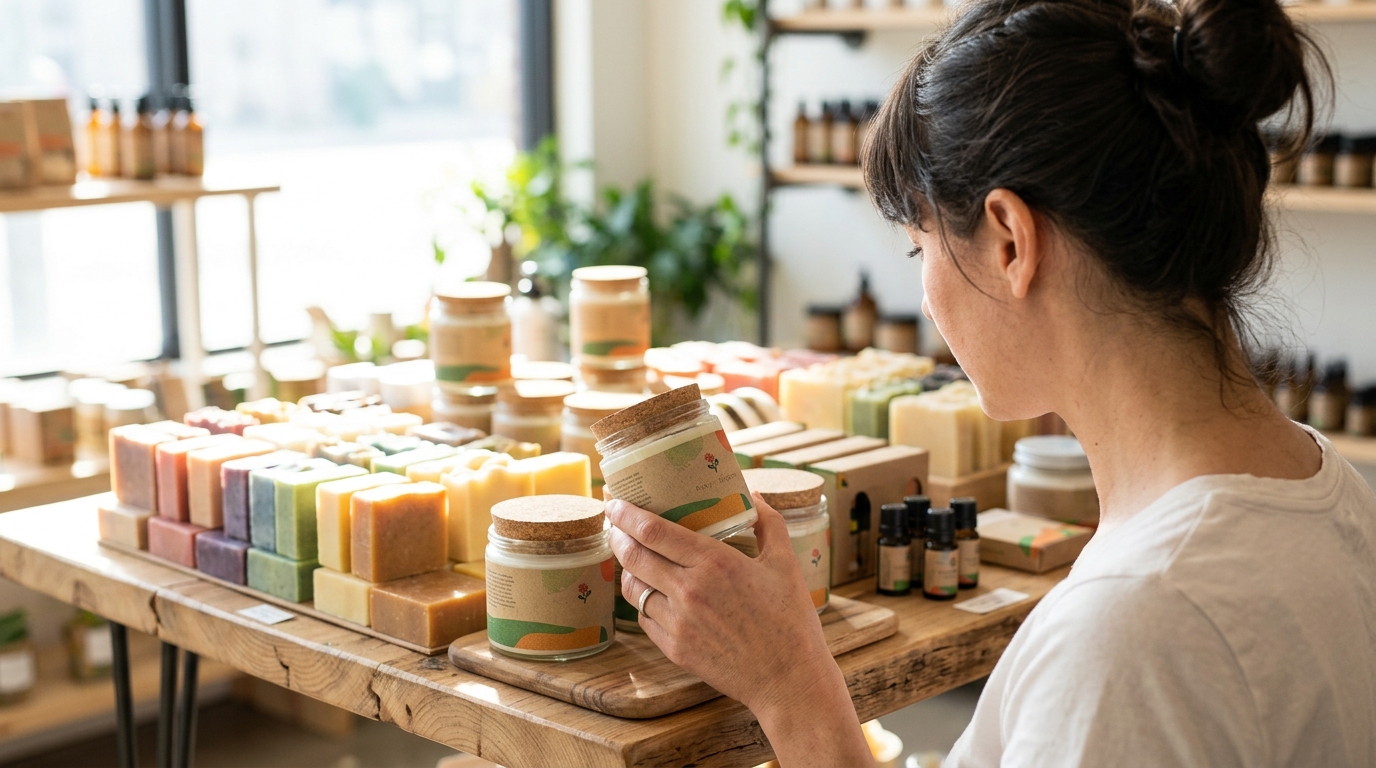
Consumers are increasingly scrutinizing the ingredients in their personal care products, yet the beauty industry remains shrouded in ambiguity. According to the FDA, there is no formal definition for the term "natural" in cosmetics labeling. This regulatory gap allows brands to use marketing language that can be misleading. At Ruby + Begonia, we believe in radical transparency. We want to help you decode the fine print so you can make informed decisions about what you put on your skin.
Myth 1: "Natural" Means Safe and Regulated
One of the most pervasive myths in the wellness space is that the word "natural" on a label guarantees safety. This is simply not true. The term "natural" is largely unregulated in the cosmetics industry. The FDA states that manufacturers are responsible for ensuring the safety of their products, but they do not need pre-market approval for most cosmetic ingredients. This means a product can be labeled "natural" and still contain ingredients that may cause irritation or allergic reactions in sensitive individuals.
At Ruby + Begonia, we define natural skincare as formulations that prioritize plant-derived ingredients, such as our Coconut Milk Body Wash and Whipped Body Frosting. We avoid harsh synthetic chemicals, but we do not rely on the vague label "natural" to do the heavy lifting. Instead, we focus on ingredient integrity and transparency. We believe that knowing exactly what is in your product is more important than the marketing buzzwords used to describe it.
Myth 2: Synthetic Ingredients Are Always Harmful
Another common misconception is that all synthetic ingredients are toxic and should be avoided at all costs. This fear-based approach to chemistry ignores the benefits of safe, lab-created compounds. Many synthetic ingredients are designed to mimic natural substances but with greater stability and purity. For example, synthetic fragrances can be engineered to be hypoallergenic, whereas some natural essential oils can be potent allergens.
It is important to understand that skin barrier health depends on a balance of hydration and protection. Some synthetic emollients and humectants are highly effective at locking in moisture without clogging pores. Rather than fearing all synthetics, consumers should look for specific ingredients that have been rigorously tested for safety. Our Silky Dry Oil, for instance, uses carefully selected carrier oils that provide deep nourishment without the risk of heavy, pore-clogging residues often found in purely "natural" but unrefined alternatives.
Myth 3: Natural Products Lack Efficacy
Many people believe that natural soaps and lotions are less effective than their conventional counterparts. This myth stems from the idea that natural products lack the powerful cleansing agents or preservatives found in mainstream brands. However, efficacy is not determined by the origin of an ingredient but by its formulation and concentration. Plant-based surfactants can clean effectively, and natural antioxidants can protect the skin just as well as synthetic ones.
Consider the Whipped Bath Soap from Ruby + Begonia. It is formulated to provide a rich, creamy lather that cleanses without stripping the skin of its natural oils. The efficacy of our products is derived from high-quality botanical extracts and butters, such as shea and cocoa, which have been used for centuries for their moisturizing properties. We do not compromise on performance for the sake of being "natural." Our goal is to deliver a luxurious experience that works as hard as you do.
Myth 4: All Preservatives Are Dangerous
The fear of preservatives is widespread, yet they are essential for preventing the growth of bacteria, mold, and yeast in water-based products. Without preservatives, a natural body wash would become a breeding ground for harmful pathogens within days. The myth that "preservative-free" is always better is dangerous because it ignores the reality of product safety.
At Ruby + Begonia, we use safe, effective preservation systems that ensure our products remain stable and safe for use over time. Our Soy Wax Candles and Whipped Body Frosting are formulated to maintain their integrity without relying on harsh parabens or formaldehyde releasers. We believe in using the minimum amount of preservatives necessary to keep your product safe, ensuring that you can enjoy your daily routine with peace of mind.
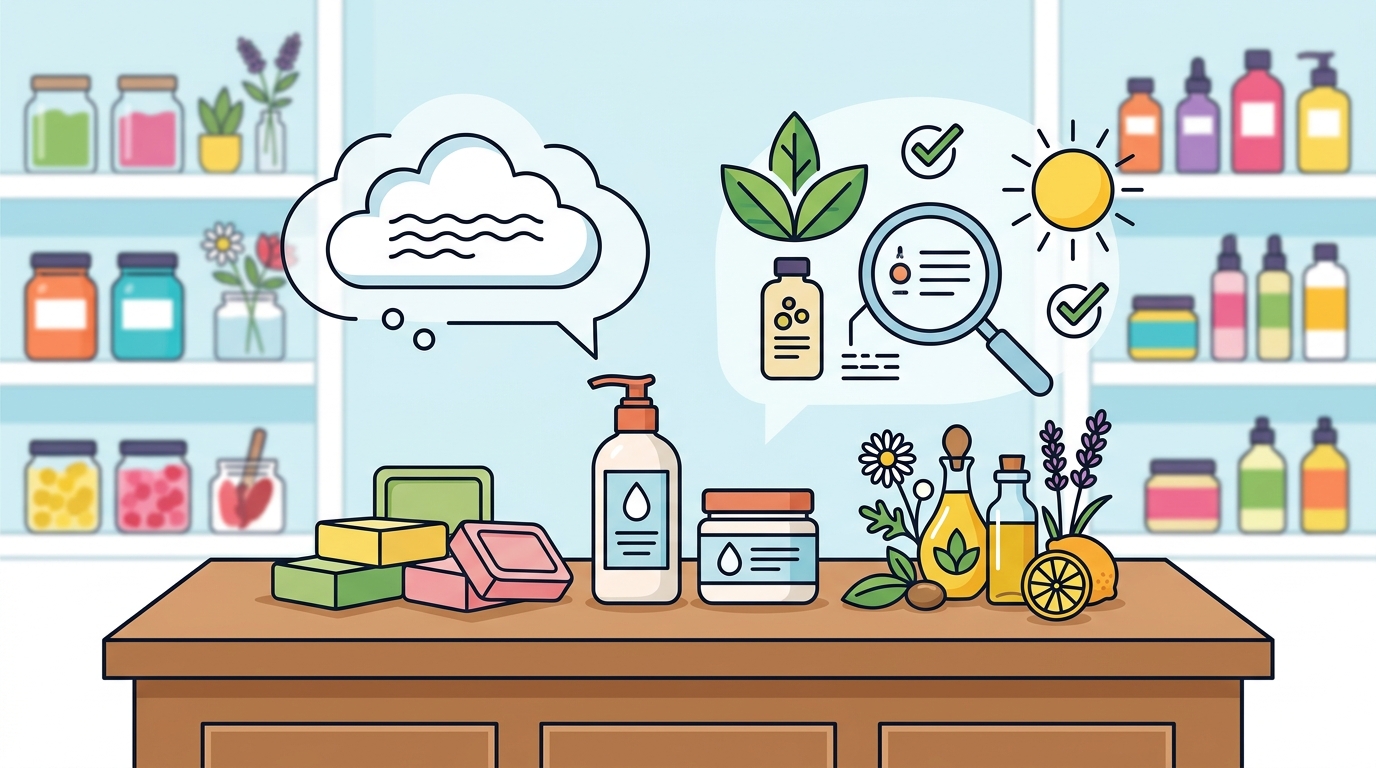
Myth 5: "Fragrance" Is Always Synthetic
When you see the word "fragrance" on a label, it often triggers a negative reaction. Many consumers assume this means hidden synthetic chemicals. While it is true that "fragrance" can sometimes mask proprietary blends, it can also refer to natural essential oil blends. The lack of disclosure is a regulatory issue, not necessarily an indication of synthetic origin.
Ruby + Begonia takes a different approach. We use essential oils and natural extracts to create our signature scents. Our Room + Linen Spray and Soy Wax Melts are crafted to provide a luxurious aromatic experience without the use of synthetic fragrances. We believe that your home and body should smell like nature, not a laboratory. By being transparent about our use of essential oils, we help you avoid the hidden allergens that can lurk in generic "fragrance" labels.
Key Takeaways
- The term "natural" is unregulated by the FDA and does not guarantee safety or efficacy.
- Synthetic ingredients can be safe and effective when used in appropriate concentrations.
- Natural products can be highly effective, as seen in our Whipped Body Frosting and Coconut Milk Body Wash.
- Preservatives are necessary for product safety, even in natural formulations.
- Ruby + Begonia uses essential oils for fragrance, avoiding hidden synthetic chemicals.
- Ingredient transparency is more important than marketing buzzwords.
- Always check the full ingredient list rather than relying on front-of-package claims.
Frequently Asked Questions
Is the term "natural" regulated for cosmetics?
No, the FDA does not have a formal definition for "natural" in cosmetics. This means brands can use the term loosely, so it is important to read the ingredient list.
Are synthetic ingredients always bad for the skin?
No, many synthetic ingredients are safe and effective. The key is to look for specific ingredients that have been tested for safety and compatibility with your skin type.
How does Ruby + Begonia ensure product safety?
We use safe, effective preservation systems and high-quality botanical ingredients. Our Whipped Bath Soap and other products are formulated to be both luxurious and safe for daily use.
Do you use synthetic fragrances in your products?
We prioritize the use of essential oils and natural extracts for our scents. Our Soy Wax Candles and Room + Linen Spray are crafted to provide a natural aromatic experience.
What is the difference between natural and organic skincare?
Organic refers to how ingredients are grown, while natural refers to their origin. Both can be beneficial, but it is important to look for third-party certifications for organic claims.
Can natural products cause allergic reactions?
Yes, natural ingredients like essential oils can be potent allergens. It is important to patch test new products and be aware of your specific sensitivities.
Why is transparency important in skincare?
Transparency allows consumers to make informed decisions about their health. At Ruby + Begonia, we believe in clear labeling and honest communication about our ingredients.
Shop Transparently at Ruby + Begonia
Understanding the myths and facts about skincare labels empowers you to make better choices for your health and well-being. Ruby + Begonia is committed to providing high-quality, transparently labeled products that you can trust. Explore our Bath + Body collection to discover the difference that true transparency makes. Visit our Home Fragrance section to bring natural luxury into your living space. Start your journey toward cleaner, more conscious self-care today.