
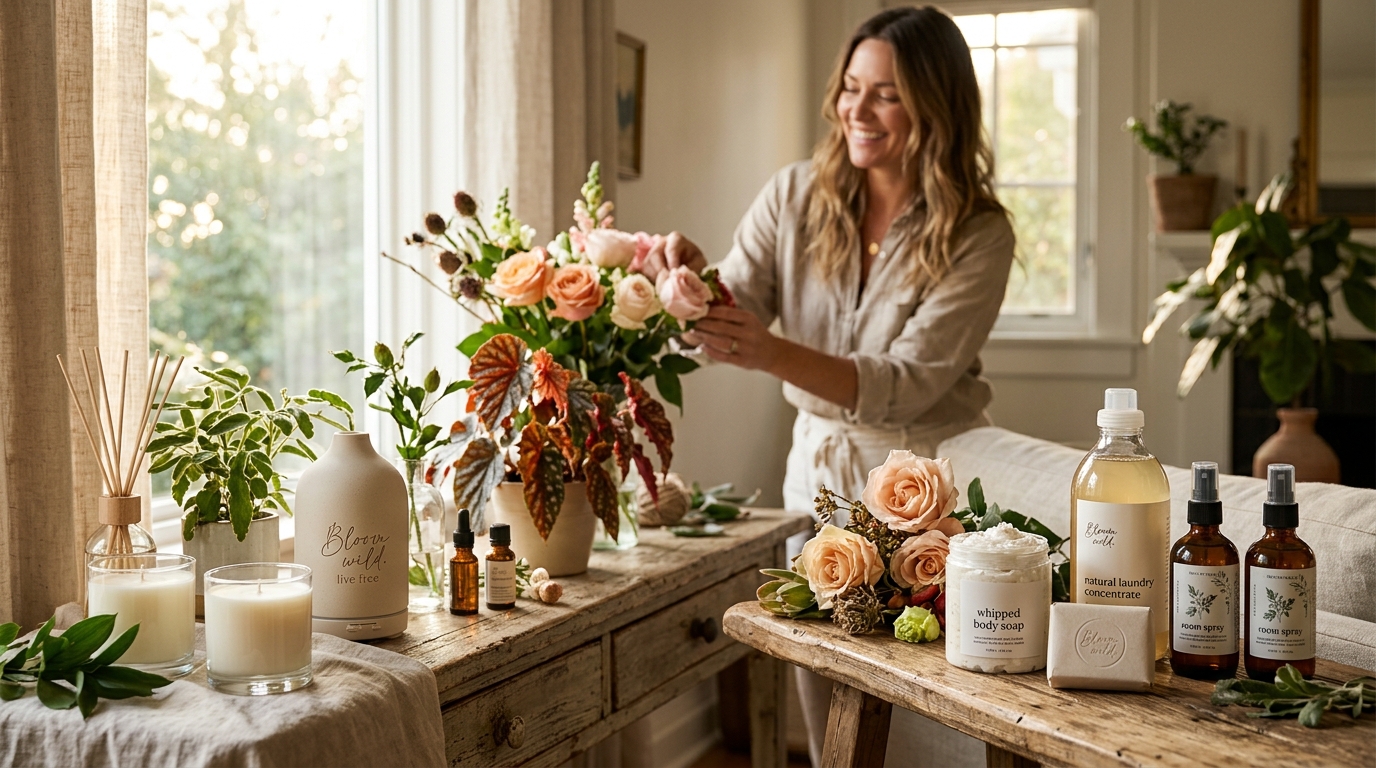
The home fragrance industry has undergone a radical transformation over the last two decades. What began as a niche market for heavy, synthetic scents has evolved into a sophisticated ecosystem focused on wellness, sustainability, and clean ingredients. According to recent market analysis, the global home fragrance market is projected to reach significant valuation growth by 2030, driven by consumer demand for non-toxic, plant-based alternatives. This shift reflects a broader cultural movement toward mindful living and environmental stewardship.
Historical Context of Home Fragrance
For centuries, humans have used aromatic plants to purify air and elevate mood. Ancient civilizations burned resins like frankincense and myrrh in temples and homes. However, the modern home fragrance industry as we know it began to take shape in the late 20th century with the advent of mass-produced paraffin wax candles and synthetic air fresheners.
Paraffin wax, a byproduct of petroleum refining, became the standard for candle manufacturing due to its low cost and ability to hold synthetic fragrances. While these products offered convenience, they often released soot and volatile organic compounds (VOCs) into the air. This era of fragrance was defined by intensity rather than purity.
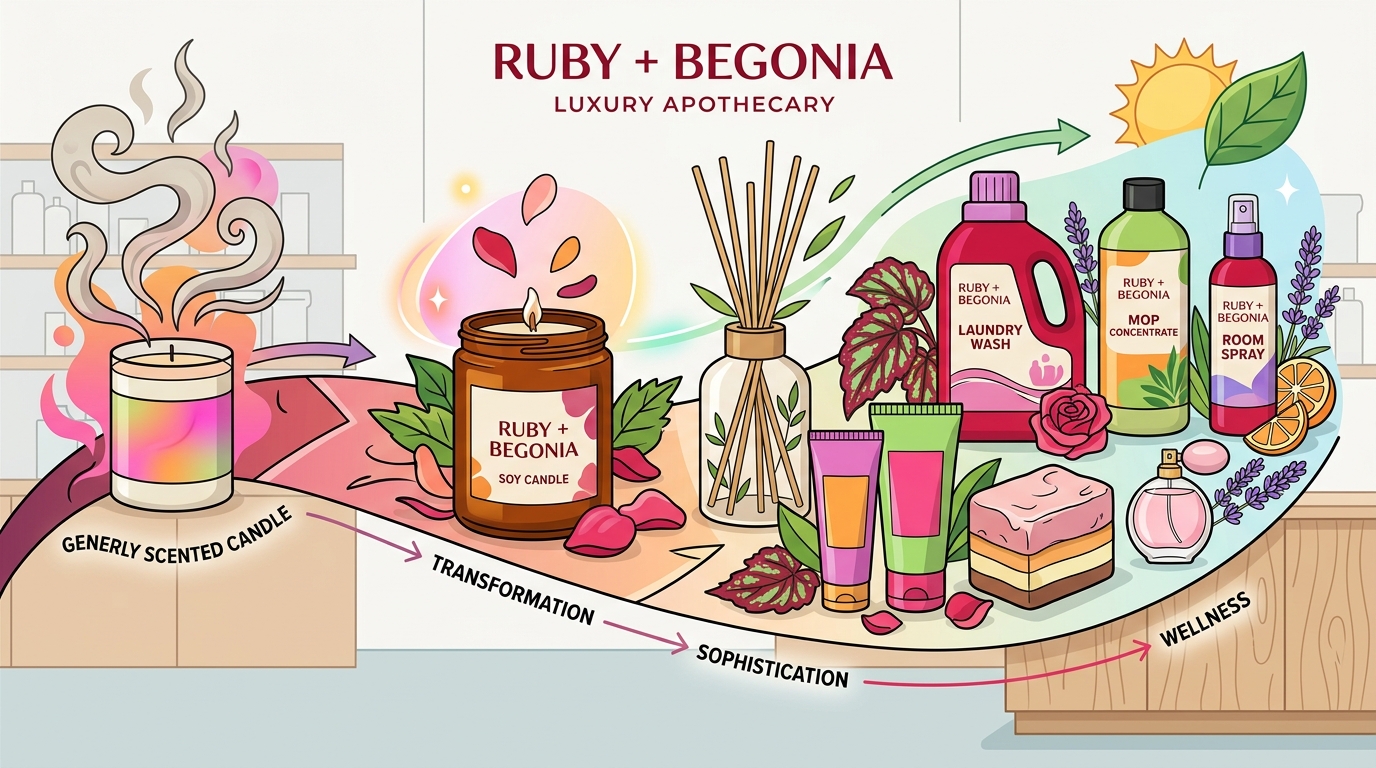
As awareness of indoor air quality grew, consumers began seeking alternatives. The transition from paraffin to soy wax marked the first major shift in this evolution. Soy wax, derived from soybeans, burns cleaner and longer than paraffin. This change laid the groundwork for the "clean beauty" movement that would later encompass home fragrances.
Today, the industry is characterized by a return to natural ingredients. Brands are prioritizing transparency, sourcing essential oils and botanical extracts that align with wellness trends. This historical progression highlights a clear trajectory: from synthetic convenience to natural intentionality.
The Rise of Clean Ingredients
Clean ingredients are the cornerstone of modern home fragrance. This term refers to products formulated without harmful chemicals such as phthalates, parabens, and synthetic dyes. Phthalates, often used to make scents last longer, have been linked to hormonal disruptions. By eliminating these toxins, brands can offer safer alternatives for households with pets and children.
Essential oils play a pivotal role in this clean approach. Derived from plants through distillation or cold pressing, essential oils provide complex, nuanced scents that synthetic fragrances cannot replicate. For example, lavender oil offers calming properties, while citrus oils provide energizing notes. These natural extracts not only scent the home but also contribute to aromatherapy benefits.
Another critical component is the wax base. Soy wax is biodegradable and renewable, making it an eco-friendly choice. Coconut wax is another popular option, known for its excellent scent throw and clean burn. These natural waxes reduce the carbon footprint of candle production compared to petroleum-based paraffin.
Transparency in labeling is also part of the clean ingredient movement. Consumers now expect to see full ingredient lists, allowing them to make informed decisions. This demand for clarity has pushed brands to adopt stricter sourcing standards and third-party certifications.
Beyond the Candle: Product Diversity
While candles remain iconic, the home fragrance category has expanded significantly. Today, consumers can choose from a wide array of products designed to suit different lifestyles and preferences. This diversity allows for more personalized and consistent scent experiences.
Room and linen sprays offer a quick way to refresh spaces without burning. These products are ideal for on-the-go lifestyles or for those who prefer not to have an open flame. They often feature lighter, more subtle scents that disperse quickly.
Diffuser oils provide a continuous scent release through reed diffusers or electric warmers. These options are perfect for maintaining a consistent aroma in a room without the need for maintenance. Reed diffusers are particularly popular for their aesthetic appeal and safety.
Body care products have also merged with home fragrance. Products like whipped body frostings and silky dry oils allow consumers to carry their favorite scents with them. This cross-category integration enhances the overall sensory experience and encourages brand loyalty.
The expansion into bath and body products reflects a holistic approach to wellness. By using the same fragrances in home and personal care, individuals can create a cohesive sensory environment. This trend underscores the importance of scent in daily rituals and self-care routines.
Sustainability and Ethical Sourcing
Sustainability is no longer a niche concern but a core business imperative. Consumers are increasingly aware of the environmental impact of their purchases. This awareness has led to a demand for eco-friendly packaging, ethical sourcing, and carbon-neutral production.
Eco-friendly packaging includes recyclable glass jars, compostable labels, and minimal plastic use. Brands are also exploring innovative materials like bamboo and recycled paper. These choices reduce waste and appeal to environmentally conscious consumers.
Ethical sourcing ensures that ingredients are obtained in a way that respects workers and ecosystems. Fair trade practices guarantee that farmers receive fair compensation for their crops. This is particularly important for ingredients like vanilla and sandalwood, which are often subject to overharvesting.
Carbon-neutral production involves offsetting the greenhouse gas emissions generated during manufacturing. Brands achieve this by investing in renewable energy projects or reforestation efforts. These initiatives demonstrate a commitment to combating climate change and preserving natural resources.
Transparency in supply chains is also crucial. Consumers want to know where their ingredients come from and how they are processed. Brands that provide detailed information about their sourcing practices build trust and credibility.
Comparing Fragrance Delivery Methods
Choosing the right home fragrance product depends on individual needs and preferences. Each delivery method offers unique benefits and drawbacks. Understanding these differences helps consumers make informed decisions.
| Product Type | Scent Intensity | Lifespan | Best For |
|---|---|---|---|
| Soy Wax Candles | High | 40-60 hours | Ambiance and relaxation |
| Room Sprays | Medium | Variable | Quick refreshes |
| Reed Diffusers | Low to Medium | 3-6 months | Continuous scent |
| Body Oils | Low | Variable | Personal wear |
Soy wax candles provide the strongest scent throw and create a cozy atmosphere. They are ideal for evening relaxation or special occasions. However, they require monitoring and have a limited lifespan.
Room sprays offer convenience and versatility. They can be used anytime to mask odors or add a fresh scent. Their short-lived nature makes them perfect for temporary needs.
Reed diffusers provide a low-maintenance option for consistent fragrance. They are safe for homes with pets and children. Their aesthetic appeal also makes them a popular decor item.
Body oils extend the fragrance experience beyond the home. They offer a personal touch and can be layered with other products. This method is ideal for those who want to carry their scent with them.
Key Takeaways
- The home fragrance market is growing rapidly, driven by demand for clean, non-toxic products.
- Clean ingredients include essential oils and natural waxes like soy and coconut.
- Product diversity has expanded beyond candles to include sprays, diffusers, and body care.
- Sustainability involves eco-friendly packaging, ethical sourcing, and carbon-neutral production.
- Choosing the right product depends on desired scent intensity and lifestyle needs.
- Transparency in sourcing and labeling builds consumer trust.
- Integrating home and personal fragrance creates a cohesive sensory environment.
Frequently Asked Questions
What is the difference between soy wax and paraffin wax?
Soy wax is derived from soybeans and burns cleaner than paraffin wax, which is a petroleum byproduct. Soy wax is biodegradable and renewable, making it a more eco-friendly choice.
Are essential oils safe for pets?
While essential oils are natural, some can be harmful to pets. It is important to research specific oils and consult with a veterinarian before using them in homes with animals.
How long do reed diffusers last?
Reed diffusers typically last between three to six months, depending on the size of the bottle and the frequency of reed flipping.
What are phthalates and why should I avoid them?
Phthalates are chemicals used to make fragrances last longer. They have been linked to hormonal disruptions and other health issues, so avoiding them is recommended for better health.
How can I make my home fragrance last longer?
Proper storage, using the right amount of product, and maintaining a clean environment can help extend the lifespan of your home fragrance products.
Is it better to use natural or synthetic fragrances?
Natural fragrances are generally preferred for their health benefits and environmental impact. However, high-quality synthetic fragrances can also be safe and long-lasting.
What is the best way to clean a candle jar?
Once the wax has hardened, you can freeze the jar to remove the wax easily. Then, wash the jar with warm soapy water to remove any residue.
Can I use home fragrance products in my car?
Yes, many brands offer car-specific fragrances like dryer ball fragrances or car fresheners. These products are designed to withstand temperature fluctuations and provide long-lasting scent.
Explore Our Collections
Discover the perfect home fragrance for your space. Visit our Shop Collections page to explore our range of soy wax candles, room sprays, and body care products. Each item is crafted with care and intention to enhance your daily rituals. Start your journey toward cleaner, more mindful living today by browsing our Bath + Body and Home Fragrance categories.