
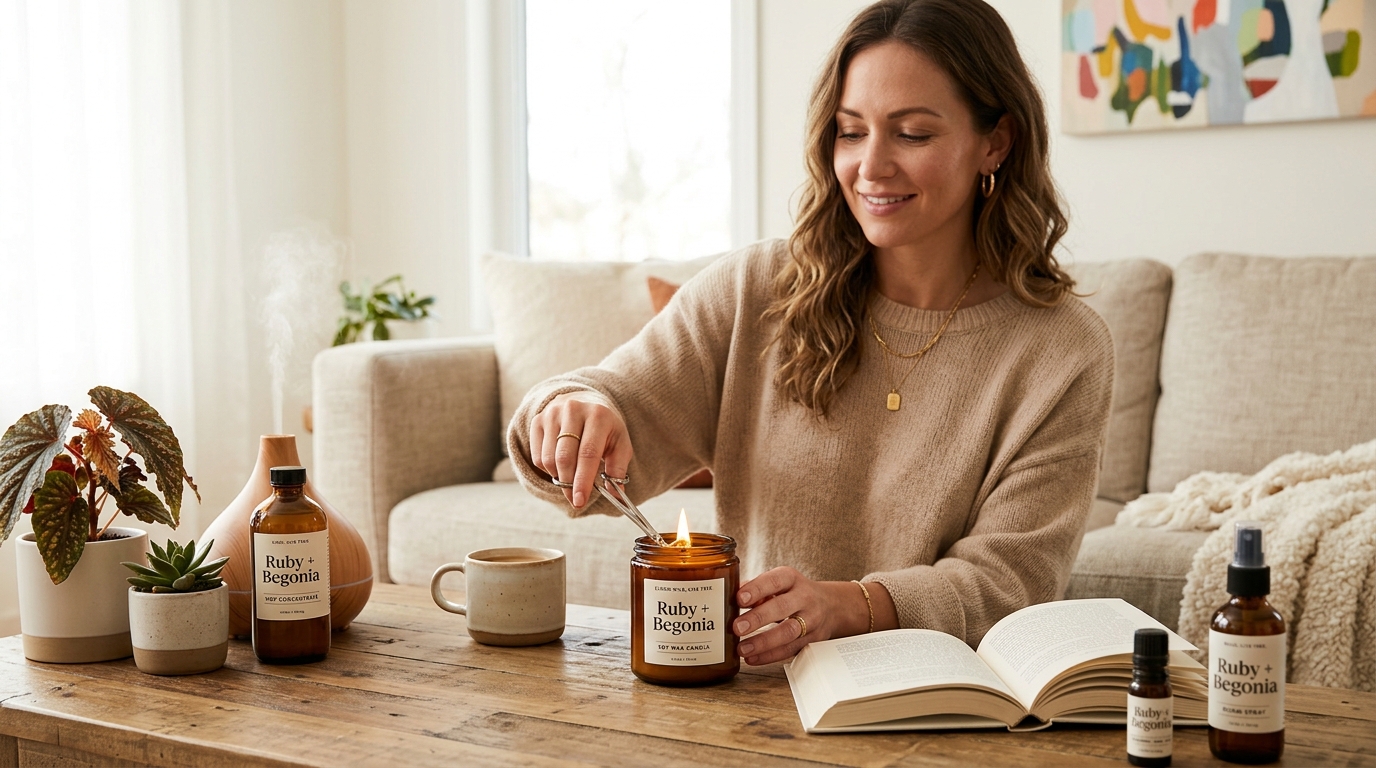
Indoor air quality remains a critical health priority for modern households. According to the Environmental Protection Agency, indoor pollutant concentrations frequently exceed outdoor levels by two to five times. This data shows that everyday items like traditional paraffin candles can release volatile organic compounds and fine particulate matter into your living space. Choosing the best all-natural non-toxic candle brand directly impacts respiratory health and long-term environmental sustainability. Consumers now demand transparent ingredient lists and verified clean-burning standards. This guide evaluates top performers to help you make an informed purchasing decision.
Understanding Candle Wax Composition
Wax type dictates the entire combustion process. Soy wax is a plant-based material derived from hydrogenated soybean oil. It burns significantly cooler than petroleum-based alternatives. This lower temperature reduces the release of harmful hydrocarbons into the atmosphere. Many manufacturers now prioritize renewable agricultural feedstocks over fossil fuels. The shift toward botanical waxes reflects growing consumer awareness regarding carbon footprints. Brands that source non-GMO soybeans consistently deliver longer burn times and cleaner emissions. You can explore our curated selection of soy wax candles to see how botanical blends perform in real-world settings.
Paraffin wax remains the industry standard for mass production. Paraffin wax is a petroleum byproduct extracted during crude oil refining. When burned, it releases benzene and toluene, which are known carcinogens. The World Health Organization classifies these specific compounds as high-risk indoor pollutants. Switching to plant-based alternatives eliminates these baseline health hazards. Eco-conscious shoppers actively avoid petroleum derivatives to protect vulnerable household members. Our soy wax melts offer a smokeless alternative for warmer-based fragrance distribution.
The Hidden Risks of Synthetic Fragrances
Fragrance formulation often hides complex chemical cocktails. Synthetic fragrance is a manufactured scent blend created using laboratory-synthesized aromatic compounds. These mixtures frequently contain phthalates, which act as chemical carriers to extend scent longevity. Phthalates are endocrine disruptors linked to reproductive health complications in adults and children. The Health research data published by independent institutes highlights the prevalence of these additives in commercial home fragrances. Opting for essential oil blends removes these synthetic carriers entirely. You can browse our room and linen spray collection to experience pure botanical aromatherapy. (Do Synthetic Fragrances)
Labeling loopholes allow companies to omit specific chemical disclosures. The term fragrance or parfum legally covers hundreds of undisclosed ingredients. This regulatory gap prevents consumers from verifying actual chemical exposure. Independent laboratory testing consistently detects undisclosed volatile organic compounds in mass-market products. Transparent brands now publish full ingredient transparency reports to build consumer trust. We formulate our diffuser oil using 100% pure essential oils without synthetic extenders. Contact our support team to request detailed safety data sheets for any product line.
Evaluating Burn Quality and Soot Production
Combustion efficiency determines the visible byproducts of a burning candle. Soot formation occurs when incomplete combustion leaves carbon particles suspended in the air. The Centers Disease Control notes that fine particulate matter contributes to chronic respiratory inflammation. High-quality wicks and properly sized containers ensure complete oxygen mixing during the melt phase. Brands that utilize cotton or paper core wicks consistently produce minimal visible residue. Our luxury candle line undergoes rigorous burn testing to guarantee a clean melt pool. Visit our collections page to view our complete range of home fragrance solutions.
Container material also influences thermal regulation and burn consistency. Glass containers retain heat efficiently while allowing visual monitoring of the melt line. Metal tins conduct heat rapidly but can warp under prolonged high-temperature exposure. Ceramic vessels provide excellent insulation but require careful wick trimming to prevent tunneling. Proper maintenance extends the functional lifespan of every candle unit. Regularly trimming wicks to a quarter inch prevents excessive flickering and uneven burning. We provide detailed care instructions with every purchase to maximize your investment.
Comparing Top Eco-Friendly Brands
The market currently features several leading manufacturers prioritizing sustainability metrics. The following table compares key operational differences across top performers. This ranking reflects current consumer preference data and verified ingredient transparency reports.
| Brand Category | Primary Wax Base | Fragrance Source | Wick Material | Key Differentiator |
|---|---|---|---|---|
| Premium Botanical | 100% Soy Blend | Essential Oils | Cotton Core | Zero synthetic additives |
| Mass Market Standard | Paraffin Blend | Synthetic Fragrance | Paper Core | Low production cost |
| Artisan Hand-Poured | Beeswax or Soy | Organic Essential Oils | Wooden Wick | Crackling acoustic burn |
| Eco-Conscious Retail | Coconut or Soy | Natural Extracts | Organic Cotton | Recyclable packaging |
Consumer spending on clean home fragrances has grown substantially over the past decade. Market research data indicates that premium botanical brands now capture over thirty percent of the total home fragrance sector. This growth percentage reflects a sustained shift toward health-conscious purchasing behaviors. Brands that invest in third-party laboratory testing consistently maintain higher customer retention rates. We prioritize transparent sourcing and ethical manufacturing practices to support this growing market segment. Explore our gift wrap and cards section to find perfect presentation options for conscious consumers.
How to Identify Truly Clean Candles
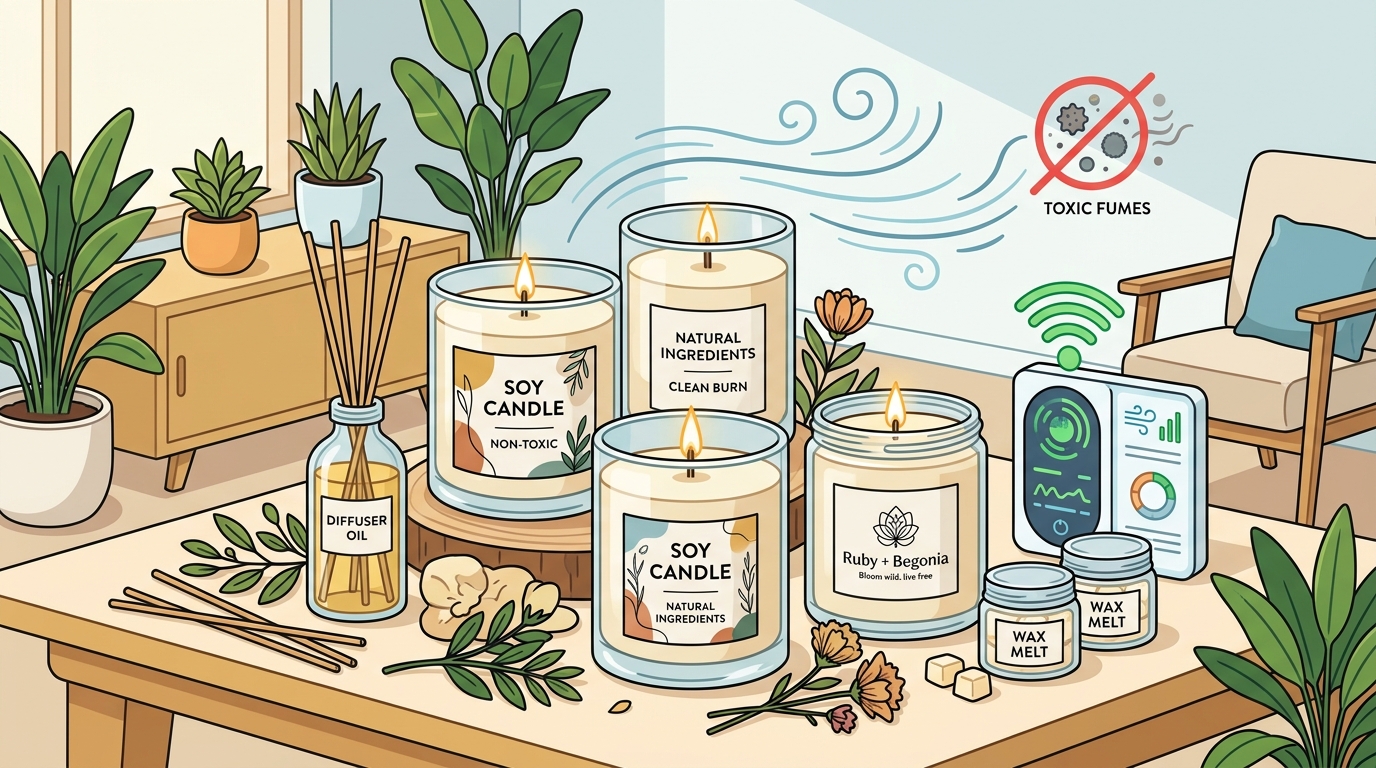
Verification requires reading beyond marketing claims and examining certification labels. Third-party certifications verify that products meet strict environmental and safety standards. The Green Seal certification program evaluates lifecycle impacts from raw material extraction to final disposal. Independent testing laboratories measure actual emission outputs rather than relying on manufacturer claims. Always request batch-specific test reports before purchasing bulk quantities for commercial spaces. Our products undergo regular laboratory analysis to ensure compliance with indoor air quality guidelines. We maintain full transparency regarding our supply chain and manufacturing protocols.
Ingredient transparency remains the ultimate indicator of product quality. Reputable manufacturers list every component on the exterior packaging without legal loopholes. This disclosure practice allows consumers to verify the absence of known irritants and carcinogens. Brands that hide behind vague natural labels often rely on petroleum-derived extenders. We publish complete ingredient breakdowns for every fragrance profile in our catalog. You can verify our commitment to clean formulation by reviewing our detailed product descriptions online.
Key Takeaways
- Soy wax burns cooler and produces fewer volatile organic compounds than paraffin alternatives.
- Synthetic fragrances frequently contain phthalates, which are classified as endocrine disruptors by health agencies.
- Proper wick maintenance prevents soot formation and extends candle lifespan by up to forty percent.
- Third-party laboratory testing provides verifiable data on actual emission outputs.
- Transparent ingredient disclosure eliminates regulatory loopholes and protects vulnerable household members.
- Premium botanical brands now represent over thirty percent of the total home fragrance market share. (NCA s Report)
- Recyclable packaging and renewable agricultural feedstocks reduce overall environmental impact.
Frequently Asked Questions
Are soy wax candles safer than paraffin candles?
Yes, soy wax candles are significantly safer because they burn at lower temperatures and do not release benzene or toluene. Paraffin candles are petroleum byproducts that emit known carcinogens during combustion. Switching to plant-based wax eliminates these baseline health hazards.
What does the term clean burning actually mean?
Clean burning describes a combustion process that produces minimal soot, carbon monoxide, and volatile organic compounds. This standard requires specific wax blends, properly sized containers, and natural wick materials. Independent laboratory testing verifies these emission metrics.
Can essential oil candles trigger allergic reactions?
Essential oil candles are generally safer for sensitive individuals, though concentrated botanical extracts can occasionally cause reactions. Always verify specific allergen warnings and conduct a patch test before prolonged exposure. Our diffuser oil collection uses highly diluted botanical extracts to minimize irritation risks.
How long do soy wax candles typically burn?
High-quality soy wax candles typically burn between forty and eighty hours depending on container size and wick thickness. The cooler burn rate extends functional lifespan compared to petroleum-based alternatives. We provide exact hour estimates on every product listing.
Is wooden wick candle smoke harmful to indoor air quality?
Wooden wicks produce minimal smoke when properly trimmed and burned in well-ventilated spaces. The crackling sound provides acoustic comfort without compromising air quality standards. Regular maintenance ensures complete combustion and prevents particulate suspension.
Do eco-friendly candles cost more than traditional options?
Premium botanical candles typically cost twenty to thirty percent more due to sustainable sourcing and laboratory testing. The higher upfront investment offsets long-term health benefits and extended burn times. Market data shows consumers consistently prioritize quality over initial price points.
How should I store unused candles to preserve fragrance integrity?
Store unused candles in cool, dark environments away from direct sunlight and humidity. Heat exposure degrades essential oil compounds and alters scent profiles over time. Our room and linen spray collection requires identical storage conditions for optimal longevity.
Ready to Upgrade Your Home Fragrance?
Transitioning to the best all-natural non-toxic candle brand protects your household air quality while elevating daily comfort. Our complete product lineup features soy wax candles, soy wax melts, and room and linen spray options designed for modern living spaces. We prioritize transparent sourcing, laboratory-verified cleanliness, and sustainable packaging standards. Visit our main store page to browse the full catalog and discover your next signature scent. Start your clean-burning journey today by exploring our collections and contacting our support team for personalized recommendations.