
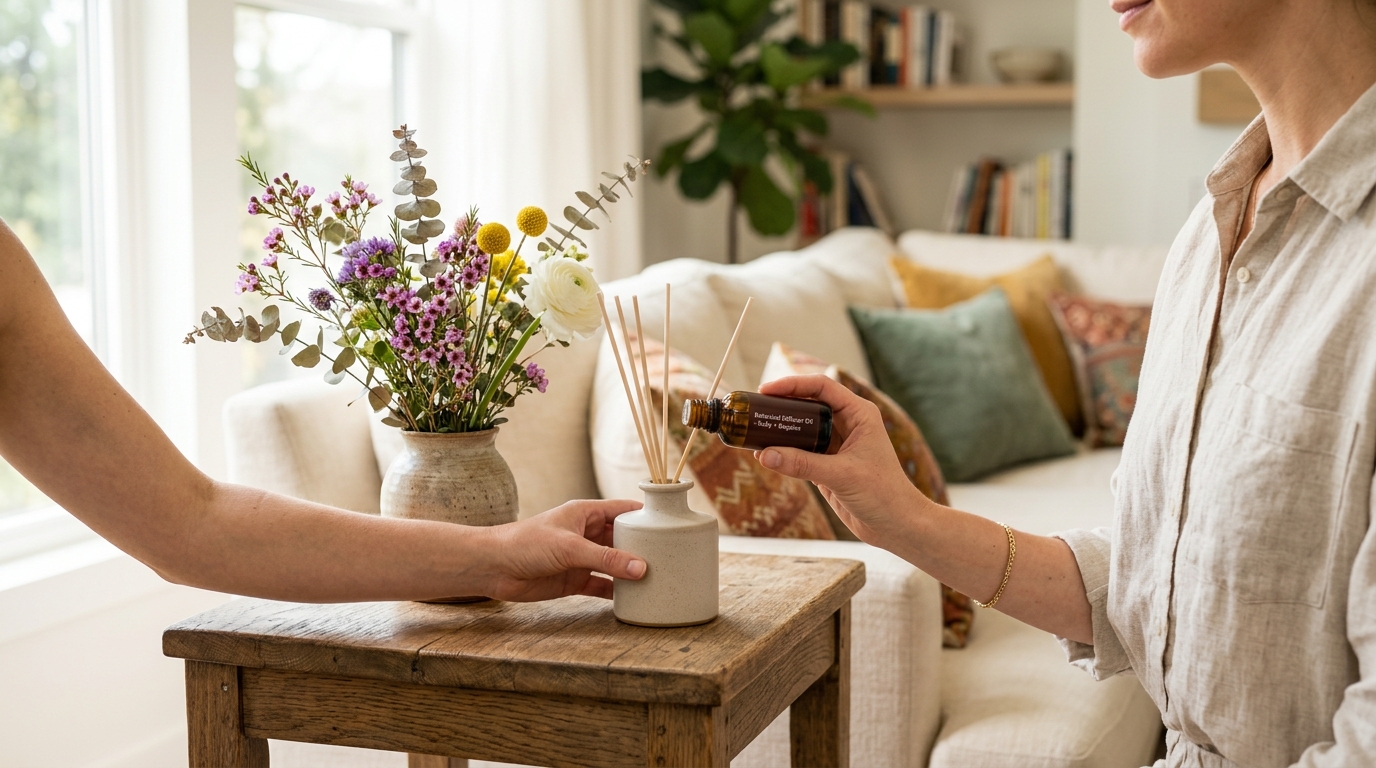
Modern households increasingly prioritize clean air quality. According to environmental health reports, indoor air pollution often exceeds outdoor levels by a factor of five. This reality drives consumers toward natural diffuser oil solutions that eliminate synthetic volatile compounds. Homeowners now seek botanical extracts that purify spaces without triggering respiratory sensitivities. Understanding how these botanical blends function remains essential for sustainable living. (Indoor Air Pollution)
Understanding Natural Diffuser Oil
Natural diffuser oil is a botanical extract derived directly from plant materials through cold pressing or steam distillation. These concentrated liquids retain the original aromatic compounds without synthetic additives or petroleum-based carriers. Homeowners prefer these formulations because they release volatile organic compounds at a controlled rate. The molecular structure of plant-based oils allows them to interact safely with ultrasonic water molecules. This interaction creates a fine mist that distributes fragrance evenly throughout enclosed spaces. Many consumers now avoid traditional aerosol sprays due to documented respiratory irritation. Botanical extracts provide a cleaner alternative for daily home use. You can explore our complete collection of plant-based blends by visiting our main catalog page. Sustainable sourcing remains a core operational priority for modern fragrance brands. We prioritize ethically harvested botanicals that support agricultural communities worldwide.
Botanical Extraction Methods
Steam distillation forces heated vapor through plant matter to capture aromatic molecules. Cold pressing mechanically ruptures citrus peels to release essential oils without thermal degradation. Both methods preserve the therapeutic properties of the original plant material. Cold-pressed citrus oils retain higher antioxidant concentrations than heat-treated alternatives. These extraction techniques ensure maximum potency in every drop. You can verify our manufacturing standards by reviewing our detailed product specifications.
Synthetic Versus Plant-Based Formulations
Synthetic fragrances rely on laboratory-created chemical compounds that mimic natural scents. These artificial compounds often contain phthalates and benzene derivatives that trigger allergic reactions. Plant-based formulations avoid these hazardous additives entirely. Plant-based formulations deliver consistent aroma profiles without triggering chemical sensitivities. Homeowners with asthma or pet allergies benefit significantly from switching to botanical alternatives. The transition requires minimal adjustment to existing home routines.
Core Benefits of Plant-Derived Fragrances
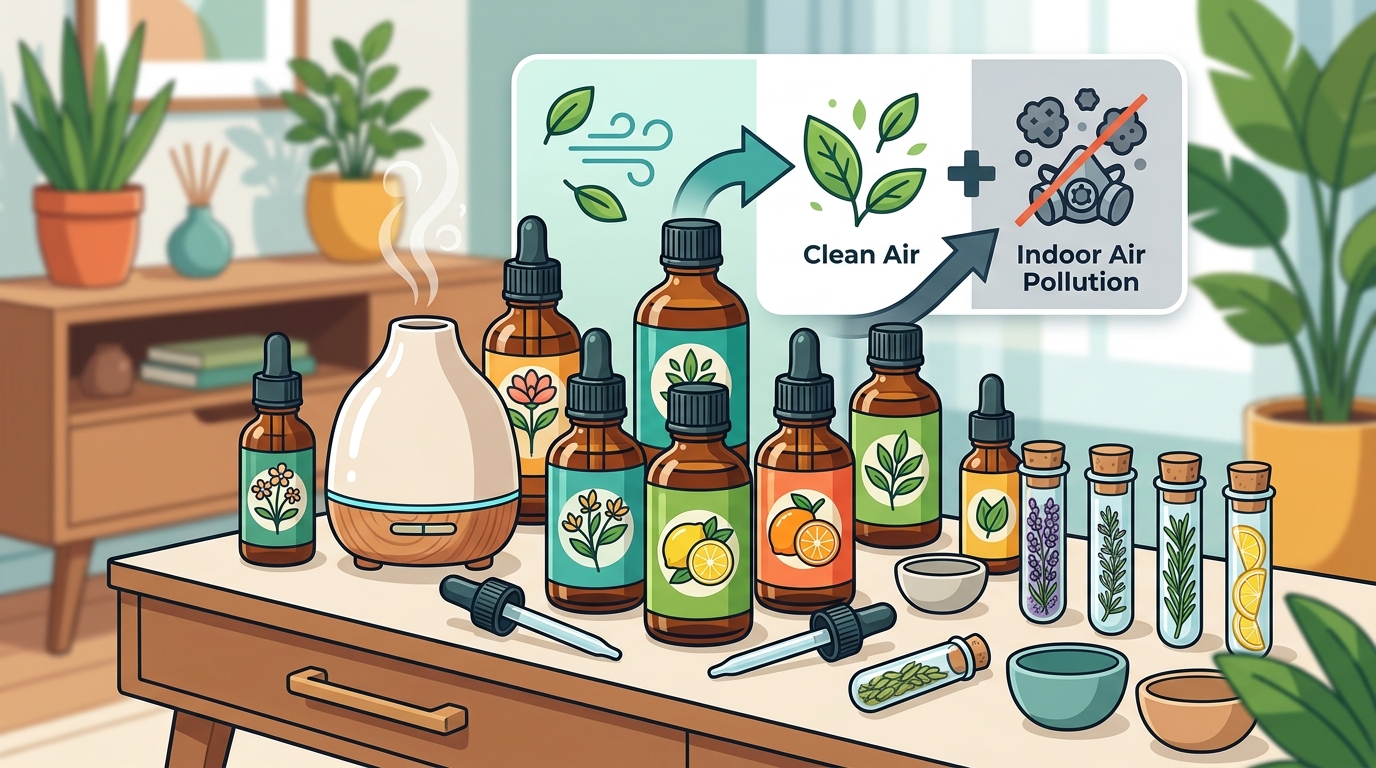
Plant-derived fragrances offer measurable improvements in indoor air quality and emotional well-being. Lavender extracts promote relaxation by lowering cortisol levels in stressed individuals. Citrus oils stimulate mental clarity and reduce afternoon fatigue. Woody notes create grounding environments that support focused work sessions. Therapeutic aromatics deliver measurable mood improvements within thirty minutes of diffusion. These botanical compounds interact directly with the limbic system to regulate emotional responses. Homeowners report deeper sleep cycles after switching to natural blends. Natural aromatics eliminate the need for harsh chemical air fresheners. You can experience these benefits firsthand by testing our signature botanical blends. (Indoor Air Pollution)
Selecting the Ideal Concentration Level
Concentration levels determine how quickly a fragrance fills a specific room volume. Standard diffuser oils typically range between five percent and fifteen percent botanical concentration. Higher concentrations require fewer drops per water cycle to achieve optimal scent distribution. Smaller bedrooms benefit from lighter formulations that prevent olfactory fatigue. Larger living areas require robust blends that maintain consistent aroma coverage. Optimal concentration ensures maximum therapeutic benefit without overwhelming sensitive individuals. You can match room size to concentration metrics using our detailed product guides. Concentration metrics directly correlate with diffusion duration and coverage area. We recommend starting with three drops per five hundred milliliters of water. Adjust upward only if the initial scent remains too subtle.
Optimizing Diffuser Performance and Safety
Ultrasonic diffusers require distilled water to prevent mineral buildup inside the reservoir. Tap water contains calcium and magnesium that interfere with oil dispersion patterns. Regular cleaning prevents bacterial growth and maintains consistent mist output. Ultrasonic technology converts water and oil into microscopic particles for even distribution. These devices operate quietly and consume minimal electricity during extended use. You can extend device lifespan by following our maintenance guidelines. Maintenance protocols ensure consistent performance across thousands of diffusion cycles. Always unplug the device when refilling or cleaning the water reservoir. Keep diffusers away from direct sunlight to preserve oil potency.
Comparing Top Fragrance Profiles
Selecting the right botanical blend depends on your specific environmental goals and personal preferences. The following comparison outlines the most popular natural diffuser oil categories.
| Fragrance Category | Primary Botanical Source | Best Use Case | Recommended Drop Count |
|---|---|---|---|
| Lavender | French Lavender Flower | Sleep enhancement and stress reduction | 3 to 4 drops |
| Citrus Blend | Bergamot and Sweet Orange | Morning energy and mental clarity | 4 to 5 drops |
| Woody Notes | Cedarwood and Sandalwood | Focus enhancement and grounding | 3 to 4 drops |
| Herbal Mix | Rosemary and Peppermint | Respiratory support and alertness | 4 to 5 drops |
Each category delivers distinct therapeutic outcomes based on its botanical composition. Botanical composition determines the specific health benefits and emotional impact. You can explore our complete fragrance library by browsing our curated collections. Curated collections simplify the selection process for first-time buyers. Match your daily routine to the appropriate fragrance category for maximum results.
Key Takeaways
- Natural diffuser oil is a botanical extract derived directly from plant materials through cold pressing or steam distillation.
- Indoor air pollution frequently exceeds outdoor levels by a factor of five according to environmental health reports.
- Ultrasonic technology converts water and oil into microscopic particles for even distribution.
- Standard diffuser oils typically range between five percent and fifteen percent botanical concentration.
- Lavender extracts promote relaxation by lowering cortisol levels in stressed individuals.
- Regular cleaning prevents bacterial growth and maintains consistent mist output.
- Matching room size to concentration metrics ensures optimal scent coverage without olfactory fatigue.
Frequently Asked Questions
Can I mix different natural diffuser oils together?
Yes, you can safely combine multiple botanical extracts to create custom scent profiles. Start with two complementary oils and adjust the drop ratio until you achieve your desired balance. Custom blending allows you to tailor fragrance intensity to specific room sizes. Always test small batches before committing to larger water reservoirs.
How often should I replace the water in my diffuser?
You should completely drain and refill the water reservoir every twenty-four hours. Stagnant water promotes bacterial growth and reduces diffusion efficiency. Daily maintenance ensures consistent air quality and extends device lifespan. Wipe the interior with a soft cloth after each water change.
Are natural diffuser oils safe around pets and children?
Most botanical extracts remain safe when used according to manufacturer guidelines. Certain essential oils require dilution before exposing sensitive individuals to concentrated vapors. Pet-safe formulations exclude known toxic compounds like tea tree and eucalyptus. Consult your veterinarian before introducing new botanical blends to homes with animals.
What is the average lifespan of a natural diffuser oil bottle?
A standard thirty-milliliter bottle typically lasts between four and six weeks with daily use. Diffusion duration depends on room size, water volume, and concentration settings. Usage duration varies based on daily diffusion frequency and room dimensions. Store bottles away from direct sunlight to preserve botanical potency.
How do I clean my ultrasonic diffuser properly?
Fill the reservoir with white vinegar and run the device for five minutes. Drain the solution and rinse thoroughly with distilled water before refilling. Cleaning solutions remove mineral deposits and restore optimal mist output. Perform this maintenance procedure once every two weeks for best results.
Can natural diffuser oils help reduce seasonal allergies?
Certain botanical extracts support respiratory comfort by promoting clearer airways. Eucalyptus and peppermint oils create soothing environments during peak allergy seasons. Respiratory support comes from consistent diffusion rather than immediate medical intervention. Always consult a healthcare provider for persistent allergy symptoms.
Elevate Your Home Environment Today
Transitioning to natural diffuser oil transforms your living space into a sanctuary of clean air and balanced aromatics. You can explore our complete botanical collection by visiting our main catalog page. Botanical collection features carefully curated blends for every room and occasion. Our team remains available to answer specific questions about product compatibility and usage guidelines. Contact our team for personalized recommendations tailored to your home layout. Start your fragrance journey today and experience the difference that plant-based purity delivers.