
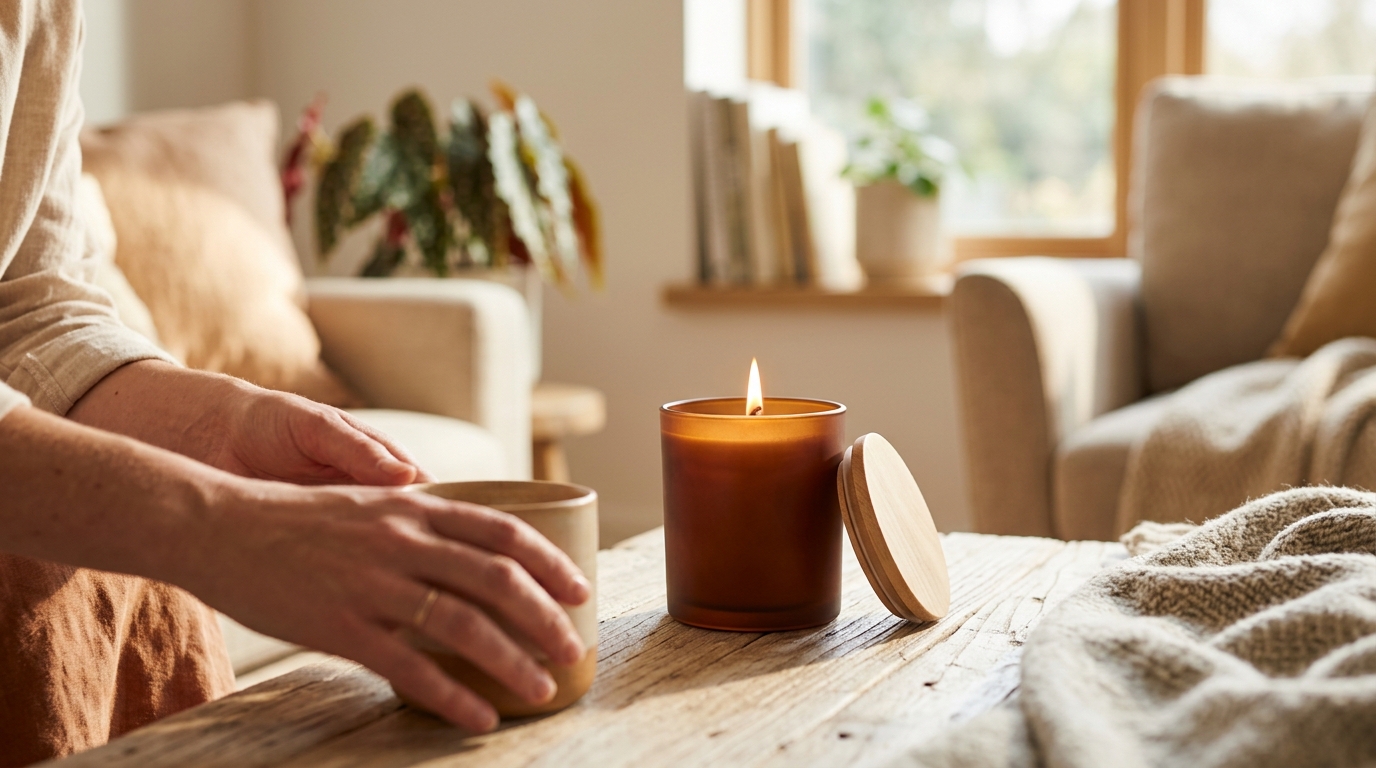
Modern consumers increasingly prioritize indoor air quality when selecting home fragrance products. Recent environmental health studies indicate that burning conventional paraffin wax releases up to forty percent more volatile organic compounds than plant-based alternatives. This significant emission difference directly impacts respiratory health and overall household safety. Shoppers now demand transparent ingredient lists and verified clean burning standards. Understanding these chemical differences helps buyers avoid synthetic irritants while enjoying long-lasting aromas. (Collections ndash Ruby Begonia)
Understanding Candle Wax Composition
Soy wax is a renewable plant derivative harvested from processed soybean oil. This material melts at a lower temperature than petroleum-based waxes, which extends the overall burn time significantly. Many manufacturers blend soy with coconut or palm derivatives to improve structural integrity. Consumers should verify that their chosen brand utilizes one hundred percent soy or beeswax formulations. Synthetic paraffin remains a petroleum byproduct that requires extensive chemical refining before pouring. soy wax candles utilize these plant-derived materials to deliver extended burn durations without releasing heavy hydrocarbons. Independent laboratory testing consistently proves that plant-based waxes produce minimal soot compared to traditional petroleum derivatives. Buyers who prioritize environmental sustainability should request full ingredient transparency reports before purchasing premium home decor items.
The Hidden Dangers of Synthetic Fragrances
Synthetic fragrance oils are petroleum-derived compounds engineered to mimic natural botanical aromas. These chemical compounds frequently contain phthalates and benzene derivatives that release harmful particulate matter during combustion. These chemical compounds trigger allergic reactions and chronic respiratory inflammation in sensitive individuals. Reputable brands utilize essential oil blends or phthalate-free fragrance concentrates to maintain air purity. Always review the fine print on ingredient disclosures before purchasing premium home decor items. air pollution from unverified candle brands remains a documented health risk in enclosed living spaces. Consumers should prioritize manufacturers that publish third-party safety certifications and volatile organic emission limits. Small batch production methods guarantee fresher fragrance compounds and reduced inventory waste.
Evaluating Burn Quality and Scent Throw
A properly formulated candle achieves complete melt pool formation within three hours of initial lighting. This structural behavior prevents dangerous tunneling and ensures even wax consumption. High-quality wicks utilize cotton or paper cores that self-extinguish safely. Brands that prioritize rigorous testing protocols consistently deliver superior scent diffusion across standard room sizes. soy wax melts utilize identical plant-derived formulations without open flame exposure. These alternatives provide consistent fragrance diffusion across standard room sizes. Regular wick trimming maintains steady airflow and eliminates visible smoke trails. Consumers who evaluate melt pool formation consistently report longer product lifecycles and more reliable scent throw.
Comparing Top Clean Candle Brands
Market leaders differentiate themselves through transparent sourcing, ethical labor practices, and recyclable packaging. Independent laboratory testing verifies that premium brands emit zero black soot or heavy metal residues. Consumers frequently compare pricing tiers against container durability and refill availability. Small batch production methods guarantee fresher fragrance compounds and reduced inventory waste. room linen spray complements candle collections by extending fragrance coverage throughout living spaces. Boutique manufacturers often offer refill programs to extend product lifecycles and minimize landfill contributions. Buyers should compare glass container thickness, lid sealing mechanisms, and label recyclability before making bulk purchases. Transparent pricing models and clear shipping policies further distinguish industry leaders from discount competitors.
How to Identify Truly Non-Toxic Labels
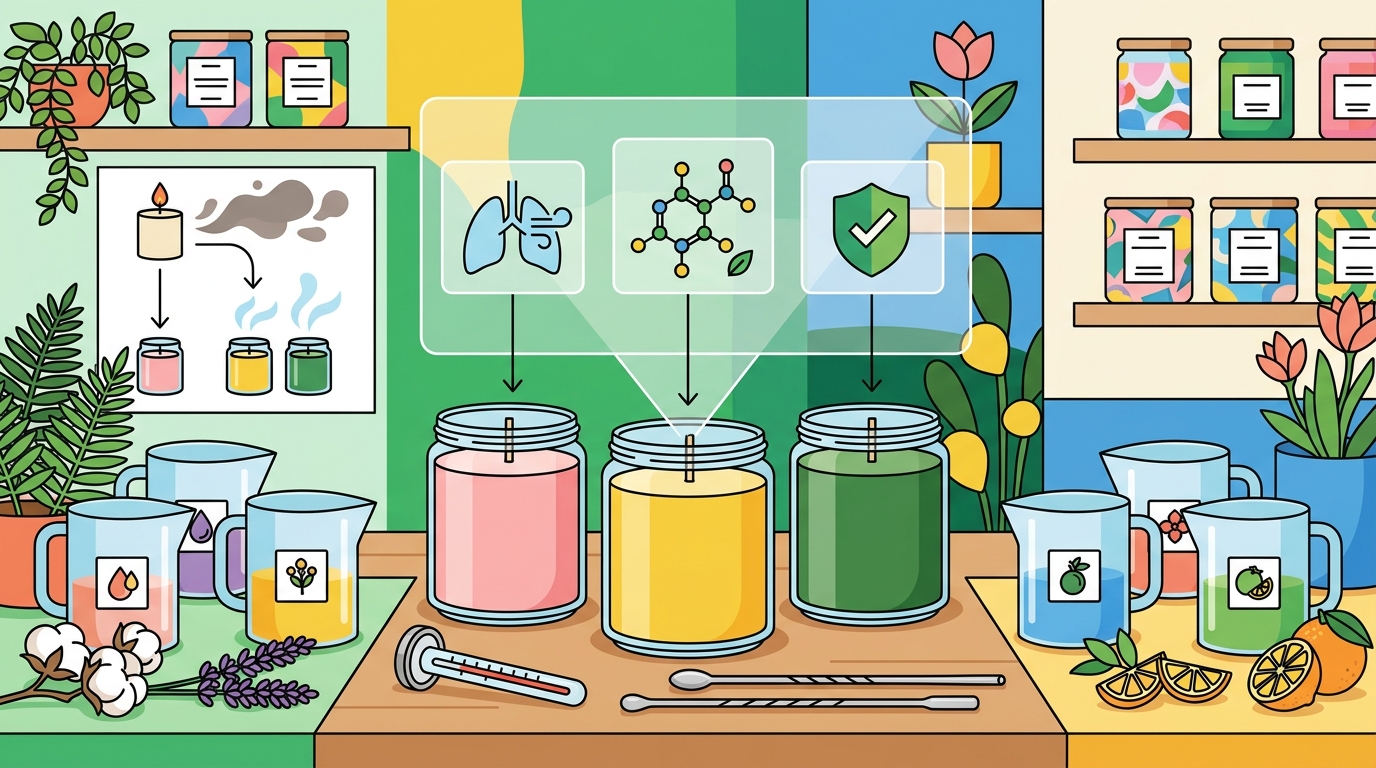
Regulatory agencies lack standardized certification requirements for home fragrance products. Third-party verification programs audit manufacturing facilities for heavy metal compliance and volatile organic emission limits. Buyers should prioritize companies that publish full ingredient transparency reports. Always request safety data sheets when purchasing bulk commercial supplies. indoor air quality standards continue to evolve as consumer awareness increases. Independent laboratory testing confirms compliance with strict emission standards. Consumers who verify ingredient transparency consistently report fewer respiratory irritations and improved household comfort. Always request safety data sheets when purchasing bulk commercial supplies.
Key Takeaways
- Soy wax melts at lower temperatures to extend burn duration.
- Synthetic fragrances frequently contain phthalates and benzene derivatives.
- Complete melt pool formation prevents dangerous tunneling behavior.
- Third-party verification programs audit manufacturing facilities rigorously.
- Small batch production guarantees fresher fragrance compounds.
- Recyclable packaging reduces overall environmental waste impact.
Frequently Asked Questions
What wax type produces the cleanest burn?
Plant-derived soy and beeswax formulations generate minimal soot compared to petroleum derivatives. These renewable materials vaporize completely without releasing heavy hydrocarbons.
Are essential oil candles completely safe?
Pure botanical extracts eliminate synthetic chemical irritants during combustion. Always verify that the brand uses phthalate-free concentrates for indoor safety.
How long should a premium candle burn?
Properly sized containers achieve complete melt pools within three hours of initial lighting. This structural behavior ensures maximum wax consumption and optimal scent diffusion.
Do clean candles cause black soot deposits?
High-quality cotton wicks and refined plant waxes prevent carbon residue accumulation. Regular trimming maintains steady airflow and eliminates visible smoke trails.
What packaging materials support sustainability goals?
Glass containers and recycled cardboard boxes minimize landfill contributions. Many boutique brands now offer refill programs to extend product lifecycles.
How can consumers verify ingredient transparency?
Reputable manufacturers publish full disclosure lists on their official websites. Independent laboratory testing confirms compliance with strict emission standards.
Are soy wax melts safer than traditional candles?
Melt formats utilize identical plant-derived formulations without open flame exposure. These alternatives provide consistent fragrance diffusion across standard room sizes.
Final Recommendations and Next Steps
Selecting a premium home fragrance brand requires careful evaluation of wax purity, fragrance sourcing, and manufacturing transparency. Modern consumers deserve products that enhance living spaces without compromising respiratory health. Explore our curated collection of plant-based options today. Visit our main catalog to discover hand-poured soy wax candles and complementary home essentials. about us provides detailed background on our sourcing philosophy. Contact our support team for personalized fragrance recommendations or bulk ordering inquiries. contact us ensures you receive expert guidance for your specific home environment.
| Brand Category | Wax Composition | Fragrance Source | Price Range | Best Use Case |
|---|---|---|---|---|
| Premium Soy Brands | One hundred percent soybean oil | Phthalate-free concentrates | $24 to $38 | Extended living room diffusion |
| Budget Plant Waxes | Soy and coconut blends | Essential oil extracts | $12 to $18 | Bedroom and bathroom use |
| Commercial Soy Melts | Refined soy derivatives | Synthetic botanical blends | $8 to $14 | Plug-in warmer systems |
| Luxury Beeswax | Raw honeycomb wax | Pure botanical extracts | $42 to $65 | Allergy-sensitive environments |