
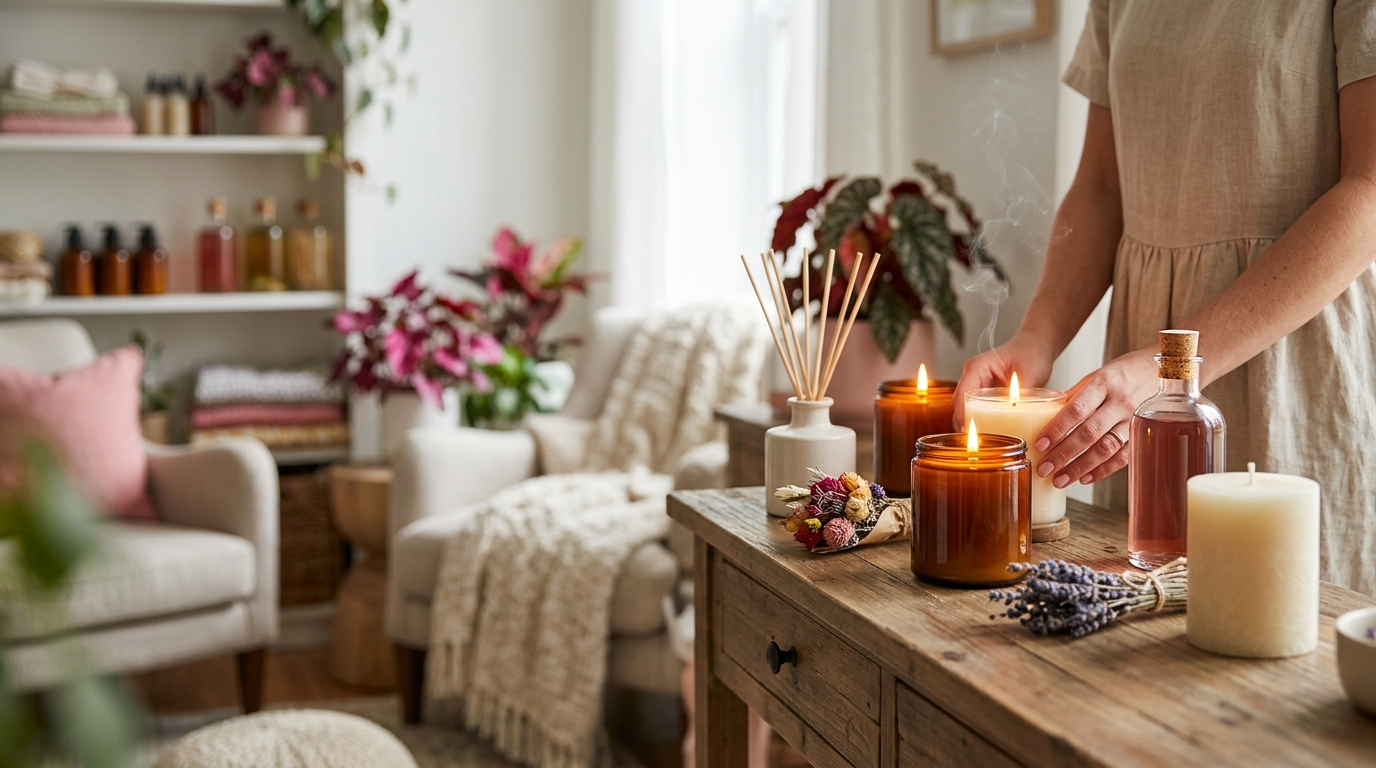
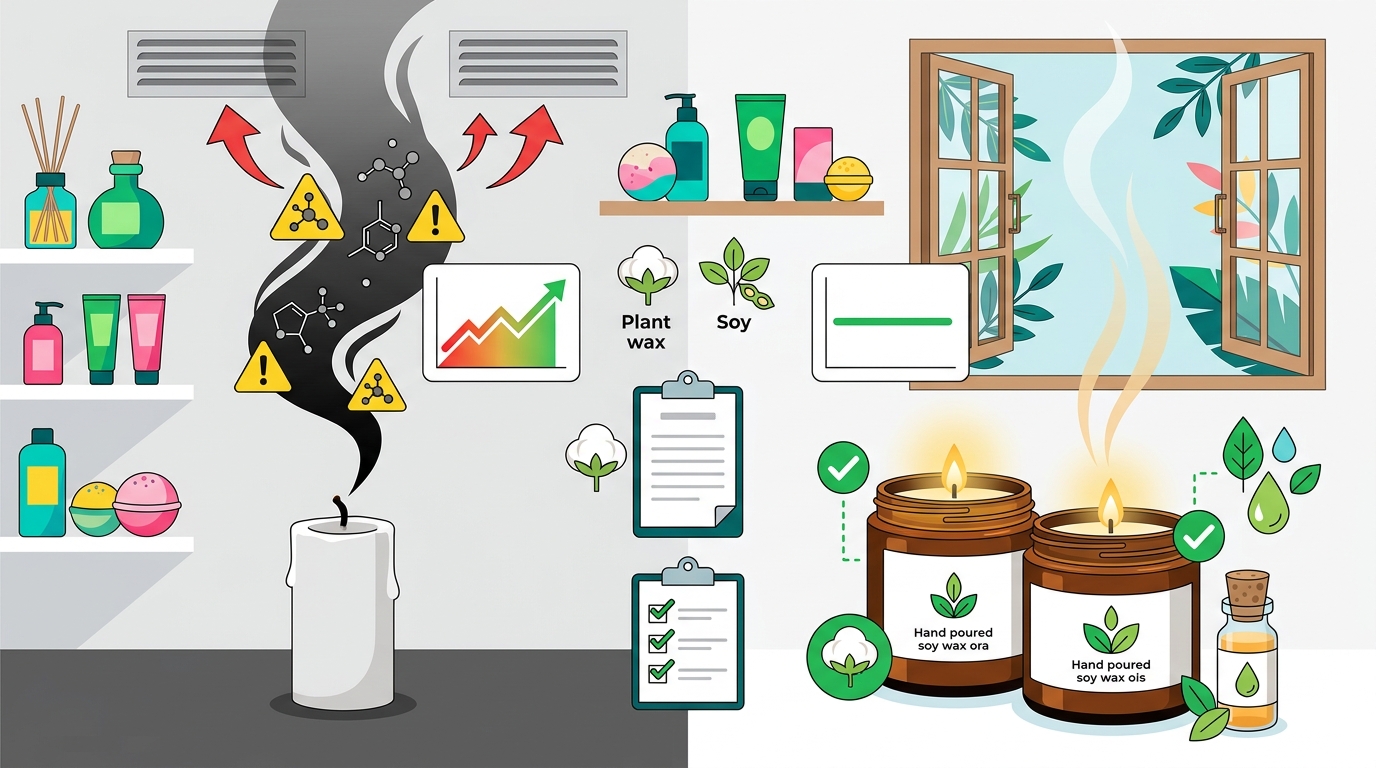
Indoor air quality experts consistently report that burning conventional paraffin candles releases volatile organic compounds and particulate matter into residential spaces. According to environmental health data, these emissions can temporarily elevate indoor benzene and toluene levels beyond recommended safety thresholds, which is why EPA guidelines emphasize proper ventilation. Consumers seeking cleaner alternatives must prioritize brands that utilize plant-based waxes and transparent ingredient disclosures. This evaluation examines the specific manufacturing standards that define premium clean burning candles. (Collections ndash Ruby Begonia)
Understanding Clean Burning Fundamentals
Clean burning refers to the complete combustion of wax without releasing harmful hydrocarbons or soot into the surrounding environment. When manufacturers prioritize pure botanical ingredients, they eliminate the synthetic additives that typically trigger respiratory irritation. Transparent ingredient labeling remains the most reliable indicator of product safety. Buyers should verify that suppliers source their materials from certified agricultural programs rather than petroleum refineries. Visiting the soy wax collection demonstrates how botanical sourcing directly impacts indoor air quality. Environmental agencies consistently track combustion byproducts to establish residential safety guidelines. According to the Environmental Protection Agency, proper ventilation remains essential regardless of the fuel source. EPA guidelines emphasize that plant-derived waxes naturally produce fewer particulate emissions. This fundamental distinction separates premium home fragrance brands from mass-market alternatives. (Aftershave ndash Ruby Begonia)
Soy Wax Versus Synthetic Blends
Soy wax is a renewable plant-based material derived from the oil of processed soybeans. This botanical alternative offers a significantly lower melting point compared to petroleum-based paraffin. Lower melting temperatures allow the fragrance compounds to release gradually rather than vaporizing instantly. Consumers frequently compare these botanical options against traditional mineral waxes to determine long-term value. Research published by the American Chemical Society confirms that plant-based waxes exhibit slower burn rates and reduced soot production. ACS research highlights the environmental advantages of renewable botanical feedstocks. Brands that commit to 100 percent soy formulations avoid the hidden petroleum derivatives found in blended products. The company background outlines a strict commitment to botanical purity. Shoppers can verify ingredient lists directly on the main catalog to ensure complete transparency. This material choice directly influences both burn time and indoor air quality.
Fragrance Oil Transparency Standards
Fragrance transparency describes the practice of disclosing all aromatic compounds without relying on proprietary trade secret loopholes. Many conventional manufacturers hide synthetic phthalates and formaldehyde precursors behind generic labeling terms. Full disclosure policies protect sensitive individuals from unexpected allergic reactions or respiratory distress. Buyers should demand suppliers that publish complete ingredient breakdowns rather than vague marketing claims. The Food and Drug Administration monitors cosmetic and home fragrance safety to establish baseline compliance standards. FDA regulations require manufacturers to avoid known hazardous additives in consumer products. Premium brands replace synthetic aromatics with essential oil blends and naturally derived isolates. This approach ensures that every scent profile aligns with clean living principles. Customers seeking alternative aromatic solutions can explore the room spray catalog for complementary botanical options. Prioritizing transparent sourcing eliminates guesswork during the purchasing process.
Manufacturing and Sourcing Ethics
Sustainable sourcing refers to the procurement of raw materials without depleting natural ecosystems or exploiting agricultural labor. Ethical manufacturers implement traceable supply chains that verify fair trade practices at every production stage. Verified supply chains guarantee that botanical ingredients meet rigorous environmental and social standards. Consumers increasingly demand accountability from brands that claim eco-friendly status. The World Health Organization tracks environmental exposure to airborne pollutants to establish global health benchmarks. WHO reports emphasize the importance of reducing indoor combustion sources to protect vulnerable populations. Responsible brands invest in renewable energy facilities and recyclable packaging materials. This operational commitment extends beyond the final product to encompass the entire manufacturing lifecycle. Prospective buyers can contact the support team directly through the contact page to request detailed sustainability documentation. Ethical manufacturing practices ultimately determine the long-term viability of any home fragrance brand.
Evaluating Burn Performance and Longevity
Burn performance measures the consistency of the melt pool formation and the overall duration of the candle lifecycle. High-quality botanical waxes require proper wick sizing to prevent tunneling or excessive dripping. Optimized wick engineering ensures an even melt line that maximizes fragrance throw without compromising safety. Shoppers should compare burn hours against standard industry benchmarks to assess true product value. Independent laboratory testing consistently demonstrates that pure soy formulations outperform blended alternatives in total burn duration. ACS testing confirms that plant-based waxes maintain structural integrity longer than mineral derivatives. Consumers benefit from brands that provide precise burn hour estimates alongside weight specifications. This data allows buyers to calculate cost per hour accurately before making a purchase. The product catalog features detailed performance metrics for every available scent. Prioritizing engineered burn performance guarantees a safer and more enjoyable home environment.
Product Comparison Overview
| Wax Type | Burn Duration | Soot Production | Environmental Impact |
|---|---|---|---|
| Pure Soy Wax | 40 to 60 hours | Negligible | Renewable botanical source |
| Paraffin Blend | 25 to 35 hours | Moderate to high | Petroleum-derived byproduct |
| Beeswax | 50 to 70 hours | Negligible | Natural hive harvest |
| Palm Wax | 30 to 45 hours | Moderate | Deforestation concerns |
Key Takeaways
- Pure soy wax formulations consistently outperform petroleum-based alternatives in burn duration and soot reduction.
- Transparent ingredient disclosure remains the primary safeguard against hidden synthetic additives.
- Lower melting points enable gradual fragrance release without compromising indoor air quality.
- Verified supply chains ensure ethical agricultural practices and environmental sustainability.
- Optimized wick engineering prevents tunneling and maximizes total burn hours.
- Regulatory compliance standards require manufacturers to avoid known hazardous combustion byproducts.
- Direct customer support channels provide access to detailed sustainability documentation.
Frequently Asked Questions
Are all soy candles completely non-toxic?
Not every soy candle meets strict non-toxic standards. Manufacturers must verify that their soy wax contains zero petroleum blends and that their fragrance oils exclude known volatile organic compounds. Always review the complete ingredient list before purchasing.
How do I identify a truly clean burning candle?
Look for brands that publish full ingredient disclosures and utilize 100 percent botanical waxes. Independent laboratory testing should confirm negligible soot production and extended burn times. Transparent labeling eliminates guesswork during the selection process.
Do natural candles produce less soot than traditional options?
Yes, plant-based waxes naturally produce significantly less particulate matter during combustion. Proper wick sizing ensures complete vaporization without leaving black residue on container walls. This characteristic directly improves indoor air quality over time.
What is the average burn time for premium soy candles?
High-quality botanical formulations typically deliver between 40 and 60 hours of continuous burn time. Weight specifications and wick engineering directly influence these performance metrics. Consumers should compare cost per hour rather than upfront pricing.
Can I safely burn natural candles in small enclosed spaces?
Plant-based waxes emit minimal volatile compounds, making them safer for confined environments. Maintaining basic ventilation remains essential regardless of the fuel source. Always follow manufacturer safety guidelines to prevent overheating.
How do fragrance oils impact indoor air quality?
Synthetic fragrances often contain phthalates and formaldehyde precursors that degrade air quality. Premium brands utilize essential oil blends and naturally derived isolates to maintain clean environments. Full disclosure policies protect sensitive individuals from unexpected reactions.
Ready to Upgrade Your Home Fragrance?
Transitioning to premium botanical candles requires minimal effort and delivers immediate indoor air quality improvements. Browse the complete collection to discover carefully crafted scents that align with your clean living standards. Visit myrubyandbegonia.com to explore current inventory and place your order today.