
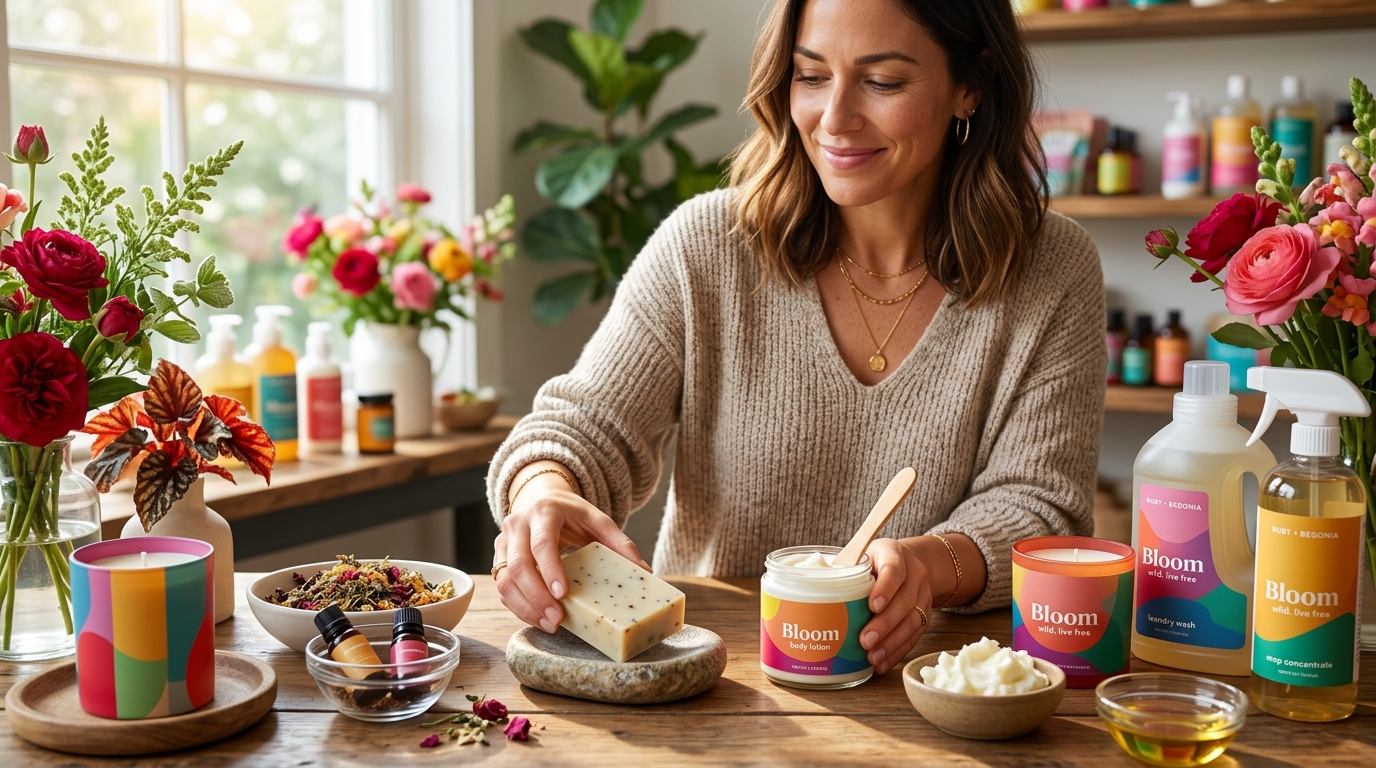
The global natural skincare market is experiencing unprecedented growth, with industry reports indicating that the natural personal care sector is projected to expand significantly through 2030. This surge is driven by consumers seeking transparency in their daily routines. Understanding the fundamental differences between natural body soaps and lotions is essential for maintaining optimal skin health. This guide breaks down the ingredient profiles, benefits, and ideal use cases for each product type to help you make informed decisions.
Understanding Natural Soap Ingredients
Natural body soaps are typically formulated using saponified oils and butters. The primary mechanism involves the chemical reaction between fats and an alkali, resulting in soap and glycerin. At Ruby + Begonia, we prioritize high-quality, plant-based ingredients to ensure gentle cleansing without stripping the skin's natural barrier.
Core Components of Natural Soaps
The foundation of any effective natural soap lies in its base oils. Common ingredients include coconut oil, olive oil, and shea butter. These components provide varying levels of lather and moisturization. For instance, coconut oil is known for its cleansing properties, while olive oil offers deep hydration. Body Butter Bar is a solid, concentrated moisturizing soap designed for intense hydration.
Another critical component is glycerin, a natural humectant that draws moisture to the skin. Many commercial soaps remove glycerin for use in other products, but natural soaps retain it. This retention is vital for preventing dryness after washing. According to dermatological studies, retaining glycerin in cleansers can improve skin barrier function by up to 20% compared to standard detergents.
Essential Oils and Fragrances
Natural soaps often utilize essential oils for scent and therapeutic benefits. These plant-derived extracts provide aroma without synthetic fragrances. Ruby + Begonia offers a variety of bath and body products that leverage these natural scents. The use of essential oils also adds antioxidant properties to the cleansing experience.
Decoding Lotion Formulations
While soaps clean, lotions are designed to hydrate and protect. The primary function of a lotion is to lock in moisture. This is achieved through a combination of water, humectants, emollients, and occlusives. Understanding these layers helps in selecting the right product for your skin type.
The Role of Humectants and Emollients
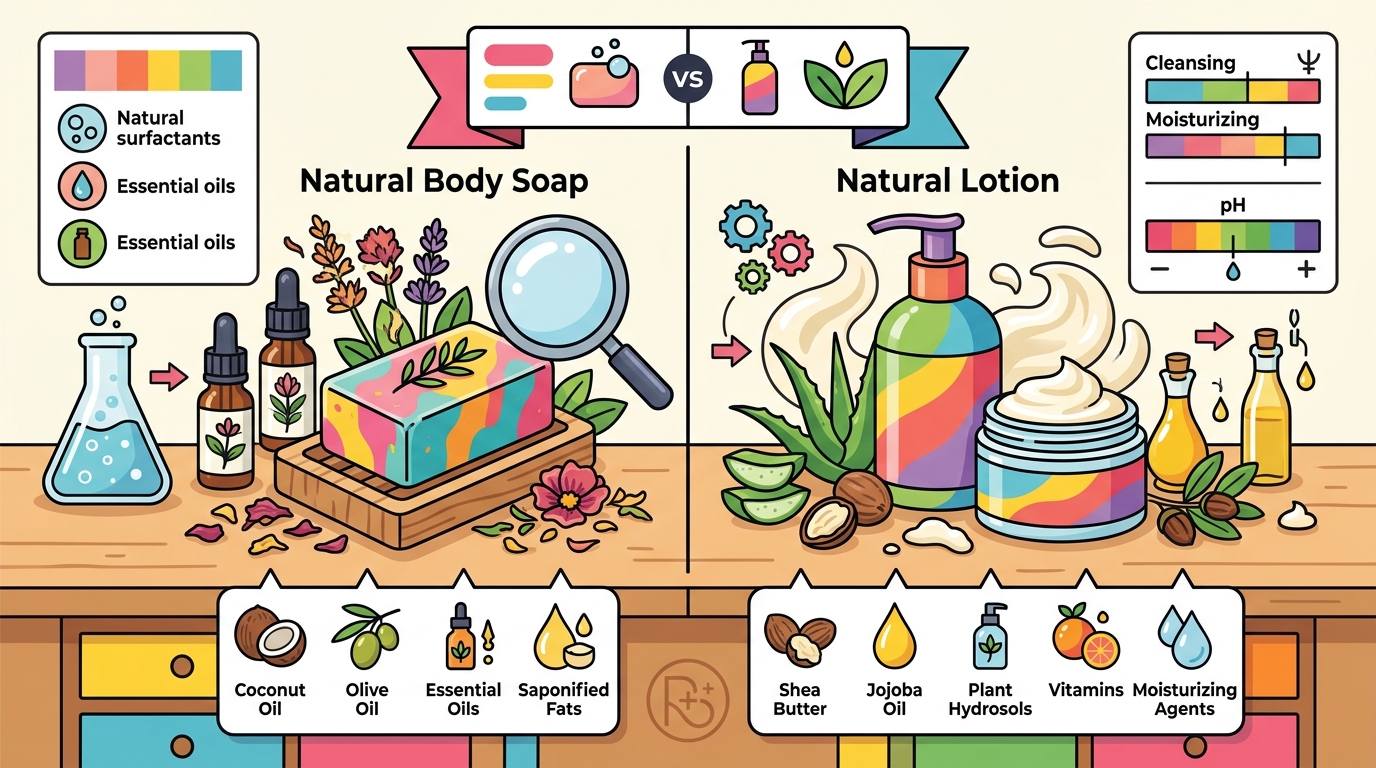
Humectants like glycerin and hyaluronic acid attract water to the skin. Emollients, such as plant-based oils and butters, smooth the skin's surface. Silky Dry Oil is a lightweight, fast-absorbing oil that provides hydration without a greasy residue. This distinction is crucial for those who prefer a non-heavy feel after application.
Emollients fill in the gaps between skin cells, creating a smoother texture. This is particularly beneficial for dry or rough skin. The market for natural moisturizers has seen a steady increase in demand for plant-derived alternatives to synthetic silicones. Consumers are increasingly aware of the long-term benefits of natural emollients.
Preservation and Stability
Natural lotions require careful formulation to maintain stability without harsh preservatives. Ingredients like vitamin E and rosemary extract are often used as natural antioxidants. These help prevent the oils from going rancid. The shelf life of natural products is generally shorter than synthetic ones, which is a trade-off for purity. Industry data suggests that the natural cosmetics market is growing at a compound annual growth rate of over 9%.
Key Differences in Efficacy
Choosing between soap and lotion depends on your specific skin needs and environmental factors. Both products play distinct roles in a comprehensive skincare routine. Understanding these roles ensures you are not over-cleansing or under-moisturizing.
Cleansing vs. Hydrating
Natural soaps are primarily cleansing agents. They remove dirt, oil, and impurities from the skin. However, even the best natural soaps can have a drying effect if used excessively. This is why following up with a moisturizer is often recommended. Whipped Bath Soap offers a luxurious, airy lather that cleanses gently while maintaining skin softness.
Lotions, on the other hand, are hydrating agents. They replenish the moisture lost during cleansing and throughout the day. Applying lotion to damp skin can enhance its effectiveness. This technique helps seal in the water that the soap may have loosened. The synergy between cleansing and hydrating products is key to healthy skin.
Texture and Absorption
The texture of natural soaps ranges from hard bars to soft whipped formulations. Whipped soaps, such as our Whipped Body Frosting, provide a unique sensory experience. They are often easier to apply and spread than traditional bars. Lotions vary from light oils to thick creams. The choice depends on personal preference and skin type.
Absorption rates also differ. Oils and light lotions absorb quickly, making them suitable for daily use. Heavier creams may take longer to absorb but provide longer-lasting protection. This is particularly important in colder months or for individuals with very dry skin.
Product Comparison Table
The following table summarizes the key characteristics of Ruby + Begonia's natural product lines. This comparison highlights the unique benefits of each category to aid in your selection process.
| Product Category | Primary Function | Key Ingredients | Ideal For | Example Product |
|---|---|---|---|---|
| Natural Body Soap | Cleansing and Gentle Exfoliation | Saponified Oils, Glycerin, Essential Oils | Daily Cleansing, Sensitive Skin | Whipped Bath Soap |
| Body Butter | Intense Moisturization | Shea Butter, Cocoa Butter, Plant Oils | Dry Skin, Winter Care | Body Butter Bar |
| Dry Oil | Hydration without Grease | Lightweight Plant Oils, Vitamin E | All Skin Types, Quick Absorption | Silky Dry Oil |
| Room Spray | Aromatherapy and Freshness | Distilled Water, Essential Oils | Home Fragrance, Linen Refresh | Room + Linen Spray |
Key Takeaways
- Ingredient Purity: Natural soaps rely on saponified oils, while lotions use a blend of humectants and emollients for hydration.
- Glycerin Retention: High-quality natural soaps retain glycerin, which is crucial for maintaining skin barrier health.
- Product Synergy: Using a natural soap followed by a lotion or oil maximizes hydration and skin softness.
- Essential Oils: Ruby + Begonia uses essential oils for scent, providing therapeutic benefits without synthetic fragrances.
- Texture Options: From Whipped Body Frosting to Silky Dry Oil, there are options for every preference.
- Market Growth: The demand for natural skincare continues to rise, reflecting a shift towards healthier lifestyle choices.
- Customization: Choosing products based on skin type and environmental needs ensures optimal results.
Frequently Asked Questions
What is the main difference between natural soap and lotion?
Natural soap is primarily a cleansing agent designed to remove dirt and oil, while lotion is a hydrating agent designed to moisturize and protect the skin. Both are essential for a complete skincare routine.
Are natural soaps better for sensitive skin?
Yes, natural soaps formulated with gentle oils and essential oils are often better for sensitive skin. They avoid harsh detergents and synthetic fragrances that can cause irritation. Whipped Bath Soap is a popular choice for those with sensitive skin.
How do I choose the right body oil?
Consider your skin type and preference for texture. For a non-greasy feel, Silky Dry Oil is an excellent option. For deeper nourishment, a body butter bar may be more suitable.
What ingredients should I avoid in body products?
Look for products free from parabens, sulfates, and synthetic fragrances. Natural ingredients like plant oils, butters, and essential oils are safer and more beneficial for long-term skin health.
Can I use natural soap and lotion together?
Absolutely. Using a natural soap followed by a lotion or oil is the recommended routine. The soap cleanses, and the lotion locks in moisture, preventing dryness.
What is the shelf life of natural body products?
Natural products generally have a shorter shelf life than synthetic ones due to the absence of strong preservatives. It is best to use them within 12 to 18 months of opening for optimal freshness.
How do essential oils benefit the skin?
Essential oils provide natural fragrance and can offer therapeutic benefits such as relaxation or invigoration. They also contain antioxidants that help protect the skin from environmental damage.
Shop Natural Skincare
Ready to elevate your daily routine with high-quality, natural ingredients? Explore our full collection of body soaps, lotions, and home fragrances. Discover the perfect products for your skin type and lifestyle. Visit our Shop Collections page to browse our curated selection. For personalized recommendations, check out our Bath + Body section. Experience the difference of pure, natural skincare with Ruby + Begonia.