

The global home fragrance market is experiencing a significant surge in demand for premium, artisanal products. According to recent industry analysis, the market is projected to grow at a compound annual growth rate of over 4% through 2030, driven by consumer desire for wellness and aesthetic home environments. This growth creates a unique opportunity for new brands to establish authority by focusing on high-quality ingredients, sophisticated branding, and targeted digital marketing. Building a successful brand in this space requires more than just a pleasant scent; it demands a cohesive ecosystem of products, operational excellence, and deep customer engagement.
Defining Your Brand Identity and Aesthetic
Establishing a distinct brand identity is the foundational step in building a luxury home fragrance business. Consumers in this sector are not merely buying scent; they are purchasing an experience, a mood, and a reflection of their personal style. The name "Ruby + Begonia" exemplifies this approach by evoking a sense of botanical elegance and timeless beauty. This kind of naming strategy helps create an immediate emotional connection with the target audience.
Visual consistency is equally critical. Your packaging, website design, and social media presence must align with the brand's core values. For a luxury brand, this often means minimalist design, high-quality materials, and a refined color palette. The collections on a brand's site should be curated to tell a story, guiding customers through different scent profiles and product types seamlessly.
Furthermore, defining your target demographic is essential. Are you focusing on eco-conscious consumers who prioritize natural ingredients? Or are you targeting luxury gift buyers looking for premium presentation? Understanding these nuances allows you to tailor your messaging and product offerings effectively. A clear brand narrative helps differentiate your business in a crowded marketplace.
Product Development and Ingredient Sourcing
The quality of your products is the primary driver of customer retention and word-of-mouth marketing. In the home fragrance industry, this means prioritizing high-grade waxes, essential oils, and sustainable packaging. Soy wax candles, for instance, are a popular choice because they burn cleaner and longer than paraffin wax, appealing to environmentally aware consumers.
Developing a diverse product line is also key to increasing average order value. A comprehensive range might include:
- Soy Wax Candles: The core product, offering long-lasting burn times and clean emissions.
- Room and Linen Sprays: Quick, convenient options for refreshing spaces and textiles.
- Body Care Products: Items like Whipped Body Frosting or Coconut Milk Body Wash extend the brand's scent profile into personal care, creating a holistic sensory experience.
- Home Decor: Accessories such as Warmers and Diffusers enhance the utility and aesthetic of the fragrances.
Ingredient sourcing should be transparent and ethical. Consumers are increasingly interested in the origin of their products. Highlighting the use of natural, non-toxic ingredients can be a powerful marketing tool. Additionally, offering Parfum Discovery Kits allows customers to sample scents before committing to larger, more expensive items, reducing purchase hesitation.
Operational Infrastructure and Fulfillment
Behind every successful brand is a robust operational infrastructure. This includes inventory management, order fulfillment, and customer service. For a direct-to-consumer brand, the unboxing experience is a critical touchpoint. Packaging should be durable, aesthetically pleasing, and reflective of the brand's luxury positioning.
Efficient inventory management is vital to prevent stockouts of popular items like Soy Wax Candles or seasonal fragrances. Utilizing e-commerce platforms that integrate seamlessly with inventory systems can help automate this process. Additionally, offering Gift Wrap and Cards options can increase conversion rates during holiday seasons and special occasions.
Customer service should be proactive and personalized. Responding to inquiries quickly, offering scent recommendations, and handling returns with grace are all essential for building trust. A well-designed About Us page can also help build credibility by sharing the brand's story and values.
Digital Marketing and Customer Acquisition
Digital marketing is the engine that drives traffic and sales for an online fragrance brand. Content marketing, social media, and email campaigns are the primary channels for reaching potential customers. Creating high-quality content that educates and inspires can help establish your brand as an authority in the space.
Social media platforms like Instagram and Pinterest are particularly effective for visual brands. Sharing high-resolution images of your products, behind-the-scenes content, and user-generated posts can help build a community around your brand. Influencer partnerships can also amplify your reach, especially when working with micro-influencers who align with your brand's aesthetic.
Email marketing remains one of the most effective tools for customer retention. Sending regular newsletters with new product launches, scent tips, and exclusive offers can keep your audience engaged. Segmenting your email list based on customer preferences allows for more personalized communication, which can significantly improve open and click-through rates.
Scaling Strategies for Long-Term Growth
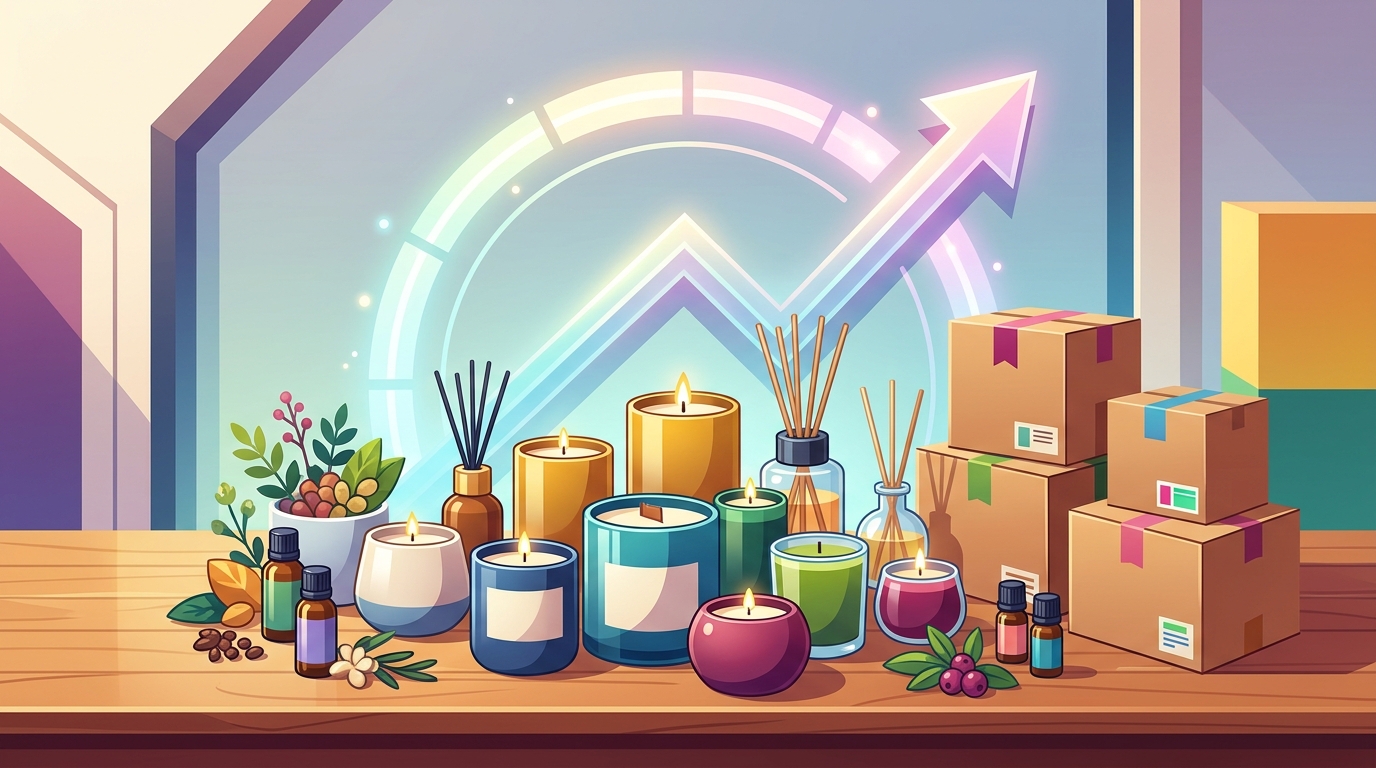
As your brand grows, scaling operations without compromising quality becomes a challenge. This might involve expanding your product line, entering new markets, or optimizing your supply chain. One effective strategy is to introduce seasonal or limited-edition collections, which can create urgency and drive sales.
Expanding into wholesale or retail partnerships can also provide a steady stream of revenue. However, this requires careful management to ensure that brand standards are maintained across all channels. Additionally, investing in technology, such as AI-driven recommendation engines, can enhance the customer experience and increase conversion rates.
Finally, continuous innovation is key to staying relevant. Monitoring industry trends, such as the growing demand for sustainable packaging or unique scent profiles, can help you anticipate consumer needs and adapt your strategy accordingly. By staying agile and customer-focused, you can build a resilient and profitable brand.
Key Takeaways
- Brand Identity: A distinct aesthetic and narrative are crucial for differentiation in the luxury fragrance market.
- Product Quality: High-grade ingredients and diverse product ranges drive customer satisfaction and retention.
- Operational Excellence: Efficient fulfillment and a premium unboxing experience enhance brand perception.
- Digital Presence: Strategic use of social media and email marketing is essential for acquisition and retention.
- Scaling: Continuous innovation and careful expansion are necessary for long-term growth.
- Customer Experience: Personalized service and transparent communication build trust and loyalty.
- Sustainability: Eco-friendly practices and ingredients are increasingly important to modern consumers.
Frequently Asked Questions
What makes a home fragrance brand "luxury"?
A luxury home fragrance brand is defined by its use of high-quality, often natural ingredients, sophisticated scent profiles, and premium packaging. The overall customer experience, from browsing to unboxing, also plays a significant role in establishing a luxury perception.
How do I choose the right scent for my brand?
Choosing the right scent involves understanding your target audience's preferences and trends in the fragrance industry. It is helpful to offer a variety of scent profiles, such as floral, fresh, or woody, to cater to different tastes. Testing these scents with a focus group can provide valuable feedback.
What are the best marketing channels for a fragrance brand?
Visual platforms like Instagram and Pinterest are highly effective for showcasing products. Email marketing is also powerful for retaining customers and driving repeat sales. Influencer partnerships can help reach new audiences who trust the influencer's recommendations.
How can I ensure my candles burn evenly?
Using the correct wick size for the wax and container diameter is crucial. Additionally, ensuring that the fragrance oil load is within the wax's capacity can prevent issues like tunneling. Proper curing time for the candles also affects their burn quality.
Is it profitable to start a home fragrance brand?
Yes, the home fragrance market is growing, and consumers are willing to pay a premium for quality and experience. Profitability depends on effective cost management, strong branding, and efficient marketing. High-margin products like room sprays and body care items can also boost overall profitability.
What role does sustainability play in home fragrances?
Sustainability is becoming a key factor for consumers. Using eco-friendly materials, such as soy wax and recycled packaging, can appeal to environmentally conscious buyers. Transparency about sourcing and production practices also builds trust and brand loyalty.
How do I handle inventory for seasonal products?
Forecasting demand based on historical data and market trends is essential. Offering pre-orders for seasonal items can help gauge interest and manage inventory levels. Additionally, having a flexible supply chain can help respond to sudden changes in demand.
Start Your Journey
Building a successful home fragrance brand requires a blend of creativity, strategic planning, and operational precision. By focusing on quality, brand identity, and customer experience, you can create a business that resonates with consumers and stands the test of time. Explore our collections to see how we embody these principles, and contact us to learn more about our story and values.