
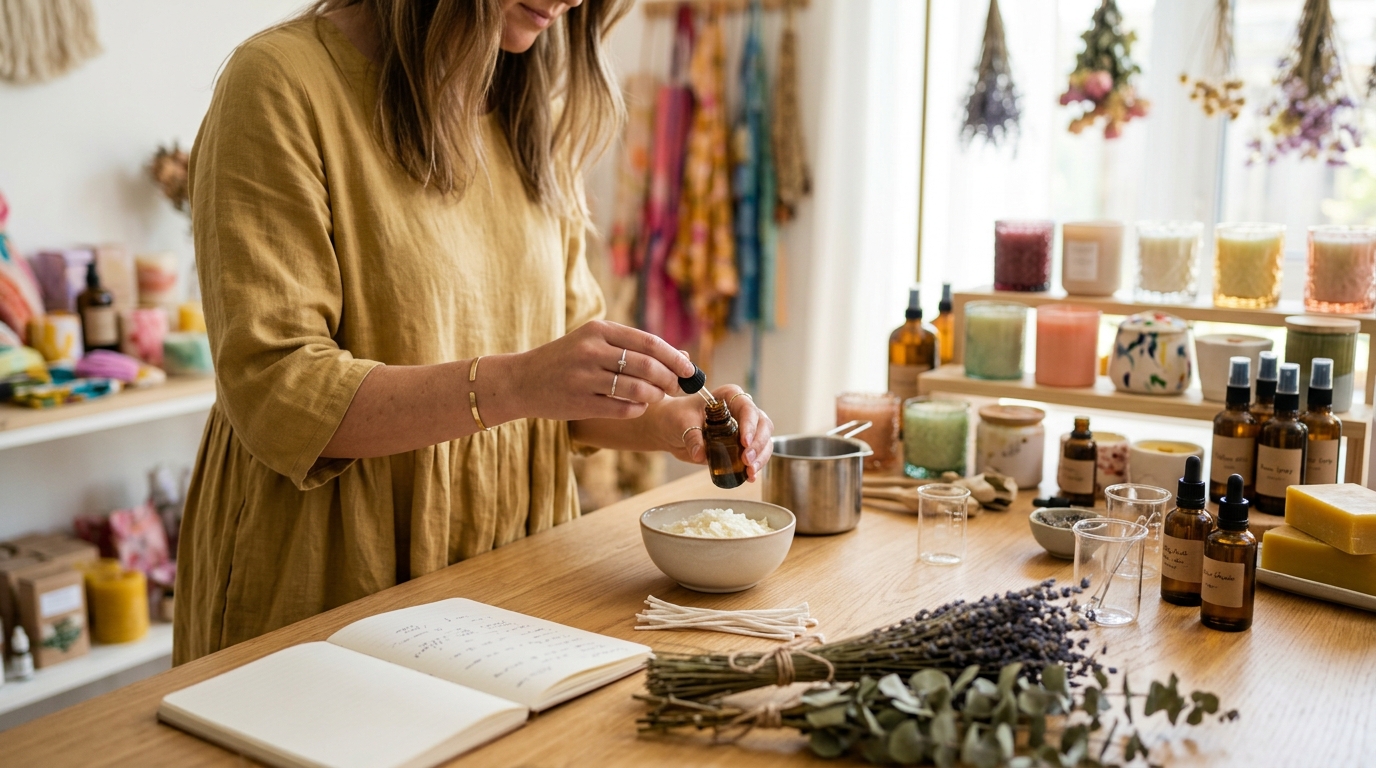
Creating your own luxury home fragrance is a rewarding process that allows you to control the scent profile and quality of your living space. According to recent market analysis, the global home fragrance market is projected to reach significant growth by 2026, driven by consumer demand for personalized and high-quality aromatic experiences. This guide will walk you through the essential steps to craft professional-grade candles, room sprays, and wax melts using premium materials. (Bath Body ndash Ruby)
Understanding Wax Types
The foundation of any high-quality home fragrance product is the wax. Soy wax is a popular choice for eco-conscious consumers because it is renewable and burns cleaner than traditional paraffin. Soy wax is a natural wax made from soybean oil that is widely used in candle making for its excellent scent throw and biodegradable properties.
When you choose soy wax, you are opting for a material that produces less soot and lasts longer than petroleum-based alternatives. This makes it ideal for creating the Soy Wax Candles that many artisan brands prioritize. Other options include beeswax, which has a natural honey scent, and coconut wax, known for its creamy texture and superior fragrance retention.
Understanding the melting point of your chosen wax is critical. Soy wax typically melts between 120 and 180 degrees Fahrenheit. If the wax is too hot when you add fragrance, the scent may evaporate before the candle cools. If it is too cool, the fragrance may not bind properly, leading to poor performance.
Selecting Fragrance Oils
Fragrance oils are the heart of your home fragrance creation. These are carefully blended combinations of essential oils and synthetic aromatics designed to provide a consistent and long-lasting scent. The quality of your fragrance oil will determine the strength and character of your final product.
When selecting oils, consider the scent profile you wish to achieve. Floral notes like rose and lavender offer a calming effect, while woody notes like cedar and sandalwood provide warmth and depth. You can explore various fragrance collections to find the perfect match for your home decor.
It is important to use fragrance oils specifically designed for candle making or room sprays. Not all perfumes are suitable for these applications because they may contain alcohol or other ingredients that can interfere with the wax binding process. A proper fragrance load, typically between 6% and 10% of the total wax weight, ensures a strong scent throw without overwhelming the wax structure.
The Candle Making Process
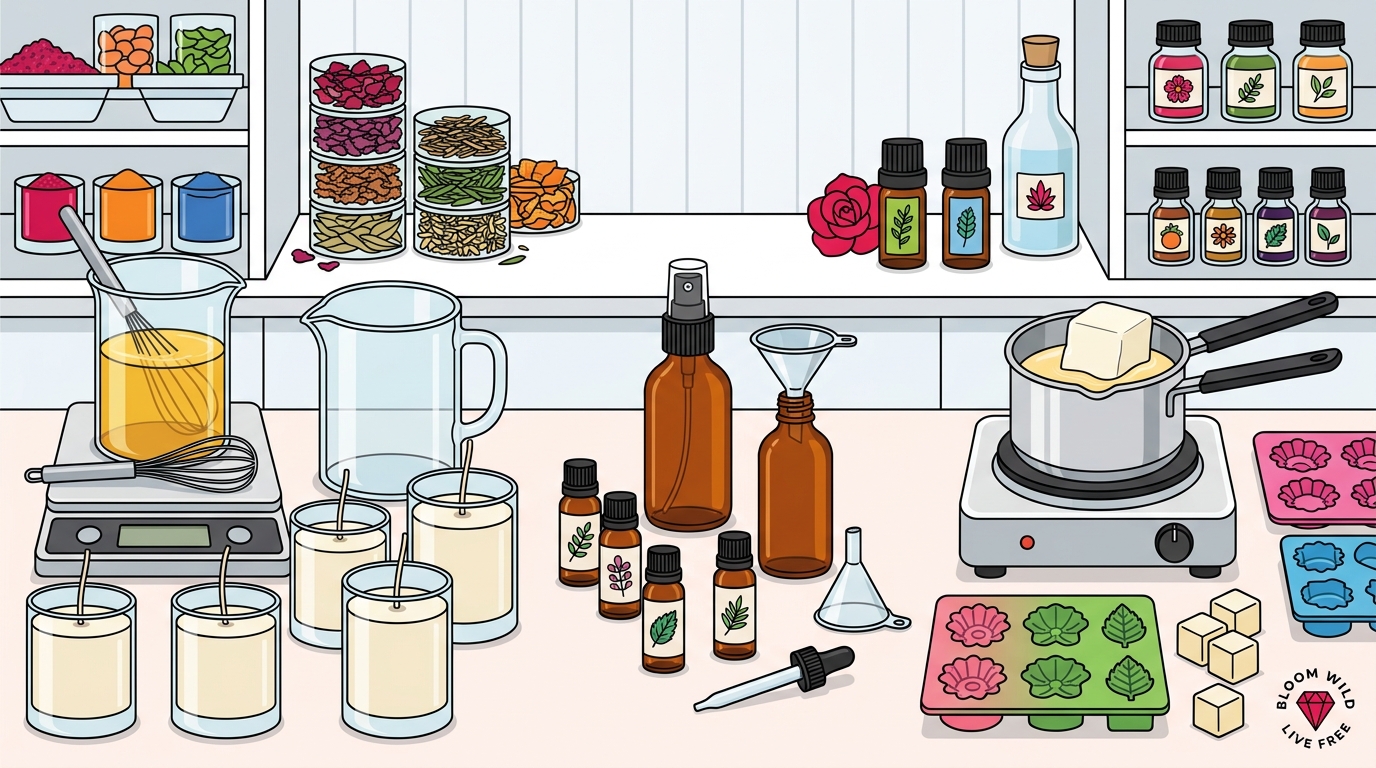
Creating candles requires precision and attention to detail. The process begins with melting the wax in a double boiler to ensure even heating. Once the wax reaches the recommended pouring temperature, you add your fragrance oil and stir gently but thoroughly to ensure even distribution.
Next, prepare your wicks. Cotton wicks are a standard choice for soy wax because they provide a steady burn. Secure the wick to the bottom of your container using a adhesive tab or a drop of hot glue. Pour the wax mixture slowly into the container to avoid air bubbles. Allow the candle to cool slowly at room temperature to prevent cracking or sinking.
After the candle has fully hardened, trim the wick to about a quarter of an inch. This ensures a clean and even burn. For those interested in soy wax melts, the process is similar but involves pouring the mixture into small dishes or molds instead of containers with wicks.
Crafting Room Sprays
Room sprays offer a quick and easy way to refresh your home environment. Unlike candles, they do not require wax or wicks. Instead, they rely on a base of water, alcohol, and fragrance oil. The alcohol acts as an emulsifier, helping to mix the oil and water together.
To create a basic room spray, combine distilled water, high-proof alcohol, and your chosen fragrance oil in a spray bottle. Shake well before each use to ensure the ingredients are mixed. You can customize the scent by blending different room and linen sprays to create a unique signature scent for your home.
For a more luxurious feel, consider adding a small amount of glycerin to the mixture. This helps to keep fabrics soft and adds a subtle sheen. Always test your spray on a small, inconspicuous area of fabric first to ensure it does not stain.
Safety and Curing
Safety is paramount when working with hot wax and flammable materials. Always work in a well-ventilated area and keep a fire extinguisher nearby. Never leave melting wax unattended on the stove. Use heat-resistant gloves and containers to protect yourself from burns.
Curing is the final step in the candle making process. After the candle has cooled and hardened, it should be allowed to cure for at least one to two weeks. This allows the fragrance to fully bind with the wax, resulting in a stronger scent throw when burned. Skipping this step can lead to a weak or uneven burn.
For room sprays, curing is less critical but still beneficial. Allowing the mixture to sit for a few days helps the ingredients meld together, creating a more harmonious scent. Store your finished products in a cool, dark place to preserve their quality and longevity.
Key Takeaways
- Soy wax is a renewable and eco-friendly option for candle making.
- Fragrance oils should be specifically designed for home fragrance products.
- Proper wick selection is crucial for a clean and even burn.
- Room sprays require an emulsifier like alcohol to mix oil and water.
- Curing time enhances the scent throw of candles.
- Safety gear such as gloves and fire extinguishers are essential.
- Customizing scents allows for a personalized home environment.
Frequently Asked Questions
What is the best wax for beginners?
Soy wax is often recommended for beginners because it is easy to work with and has a forgiving melting point. It also burns cleaner than other waxes, making it a safer option for new crafters.
How do I choose the right wick size?
The wick size depends on the diameter of your container and the type of wax you are using. A general rule is to choose a wick that is thick enough to melt the wax all the way to the edges of the container without tunneling.
Can I use essential oils instead of fragrance oils?
While you can use essential oils, they may not provide as strong a scent throw as synthetic fragrance oils. Essential oils are also more volatile and may evaporate quickly during the heating process.
How long do homemade candles last?
Homemade candles can last for several years if stored properly in a cool, dark place. However, the scent may diminish over time, so it is best to use them within a year or two for the best experience.
What is the difference between a candle and a wax melt?
A candle has a wick and is burned directly, while a wax melt is heated in a warmer to release its scent. Wax melts are often preferred for their convenience and safety, as they do not involve an open flame.
How do I prevent tunneling in my candles?
Tunneling occurs when the candle burns only down the center, leaving wax on the sides. To prevent this, ensure the wick is the correct size for your container and allow the candle to burn long enough on the first use to create a full melt pool.
Can I add color to my candles?
Yes, you can add candle dye or color blocks to your melted wax. Use dyes specifically designed for candles to ensure even distribution and stability. Add the color gradually until you reach your desired shade.
Start Your Fragrance Journey
Creating your own luxury home fragrance is a fulfilling hobby that allows you to express your creativity and enhance your living space. Whether you are interested in handmade soy wax candles or custom room sprays, the process is both educational and rewarding. Explore our collections to find high-quality supplies and inspiration for your next project. Visit our About Us page to learn more about our commitment to quality and craftsmanship.