
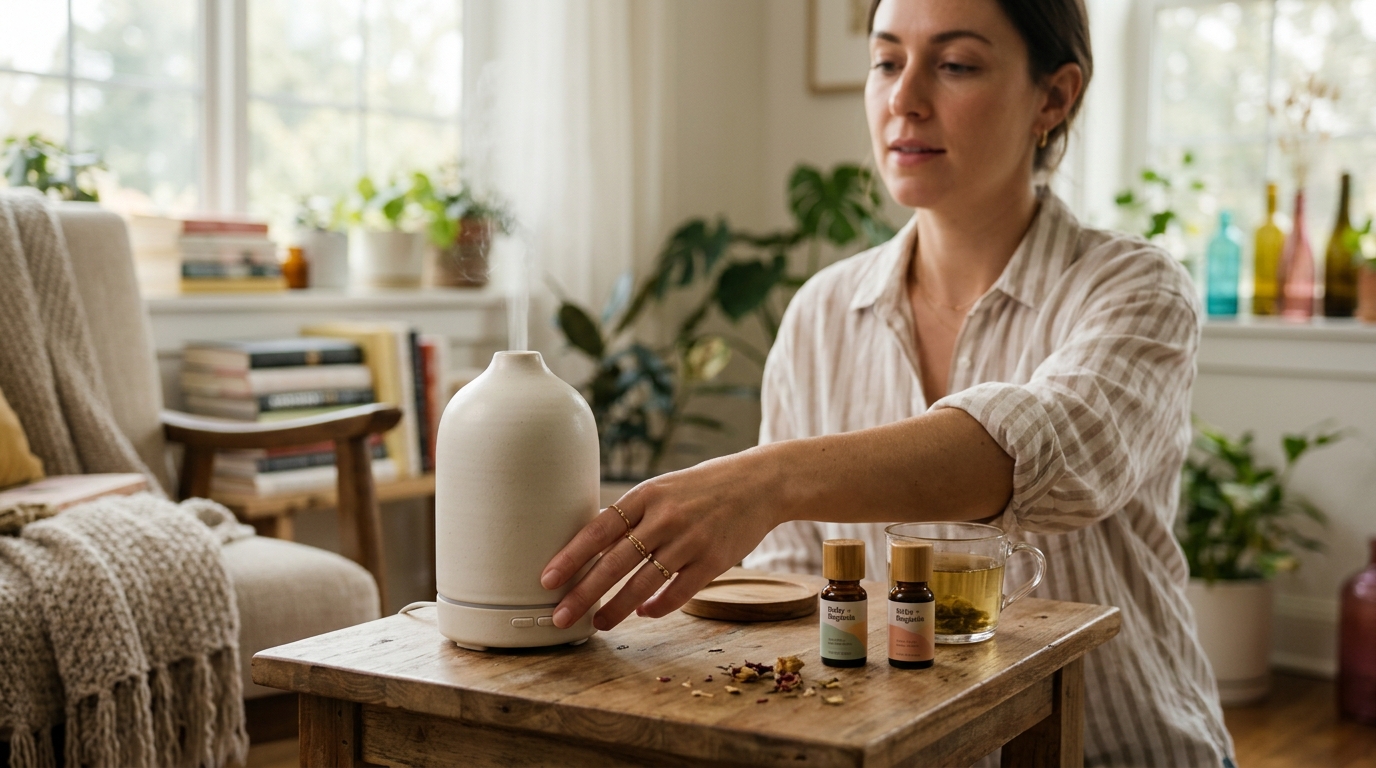
Common Mistakes When Using Natural Diffuser Oils and How to Avoid Them
Using natural essential oils in your home can transform your atmosphere, but improper usage often leads to headaches, damaged equipment, or wasted product. According to a 2024 report by the National Association for Holistic Aromatherapy, nearly 40% of new diffuser users experience adverse reactions due to incorrect dilution or overuse. This statistic highlights a critical gap in consumer education regarding the potency of pure botanical extracts. Many people treat essential oils like synthetic fragrances, leading to sensory overload rather than therapeutic benefit. Understanding the science behind volatility and diffusion is essential for safe and effective use.
Understanding Dilution and Dosage
One of the most frequent errors is using too many drops of essential oil. Essential oils are highly concentrated plant extracts. Pure essential oil is defined as a volatile, hydrophobic liquid containing volatile aroma compounds from natural sources. When you add excessive drops to a diffuser, the air becomes saturated with aromatic compounds, which can trigger migraines or respiratory irritation.
For a standard 100ml ultrasonic diffuser, three to five drops are usually sufficient. If you are using a larger room or a nebulizing diffuser, adjust accordingly but never exceed the manufacturer's recommended maximum. Over-diffusing does not increase benefits; it diminishes them. The olfactory system becomes fatigued quickly, a phenomenon known as sensory adaptation. This means you stop smelling the scent even though it is still present in the air.
Another mistake is diffusing for too long. Continuous diffusion for hours on end can lead to "essential oil toxicity" in sensitive individuals. It is best to diffuse in intervals. For example, run your diffuser for 30 to 60 minutes, then turn it off for an equal amount of time. This allows the air quality to reset and prevents overexposure.
Cleaning and Maintenance Errors
Neglecting to clean your diffuser regularly is a critical error that affects both performance and health. Residual oil builds up inside the tank and creates a film that harbors bacteria and mold. When you next diffuse, you are essentially spraying a mixture of old oil and microbial growth into your lungs. Ultrasonic diffusers are defined as devices that use high-frequency vibrations to create a cool mist from water and essential oils. The ultrasonic plate is particularly susceptible to residue buildup.
To clean your device properly, use a mixture of white vinegar and water. Fill the tank halfway with water and add a tablespoon of white vinegar. Let it sit for five minutes, then run the diffuser for a few minutes to clean the internal components. Empty the tank and wipe it dry with a soft cloth. Never use harsh chemicals or abrasive scrubbers, as these can damage the plastic or glass components.
Additionally, avoid using tap water if you have hard water. Mineral deposits from tap water can clog the ultrasonic plate and reduce the mist output over time. Using distilled or filtered water extends the life of your diffuser and ensures a cleaner mist. Regular maintenance is not just about aesthetics; it is a health necessity.
Prioritizing Oil Quality
Not all essential oils are created equal. Many commercial products are diluted with carrier oils or synthetic fragrances. Using these lower-quality oils in your diffuser can lead to poor results and potential health risks. Synthetic fragrances do not offer the therapeutic benefits of true essential oils. They can also leave a sticky residue that is difficult to clean.
When purchasing oils, look for the Latin name of the plant on the label. This ensures you are getting the specific botanical species you intend to use. For example, Lavandula angustifolia is true lavender, while other species may have different chemical profiles. Check for third-party testing certifications, such as GC/MS reports, which verify the purity and composition of the oil.
Store your oils correctly to maintain their potency. Essential oils degrade when exposed to light, heat, and air. Keep them in dark glass bottles stored in a cool, dark place. Some oils, like citrus oils, are particularly sensitive and have a shorter shelf life. Using oxidized oils can cause skin irritation and reduce the effectiveness of your diffuser blend.
Safety for Pets and Children
Many people do not realize that essential oils can be toxic to pets. Cats, dogs, and birds have different metabolisms than humans. Phenols are defined as a class of organic compounds that are highly toxic to cats and can cause liver damage. Oils high in phenols, such as oregano, thyme, and wintergreen, should be avoided in homes with cats.
Even oils considered safe for humans can be harmful to pets if diffused in enclosed spaces. Always ensure proper ventilation when diffusing around animals. It is also wise to allow your pet to leave the room if they choose. Never apply essential oils directly to pets without consulting a veterinarian.
Children are also more sensitive to essential oils. Their skin is thinner, and their respiratory systems are still developing. Use lower concentrations and avoid diffusing oils like eucalyptus or peppermint near young children, as these can cause respiratory distress. Always keep diffusers out of reach to prevent accidental ingestion or spills.
Preventing Material Damage
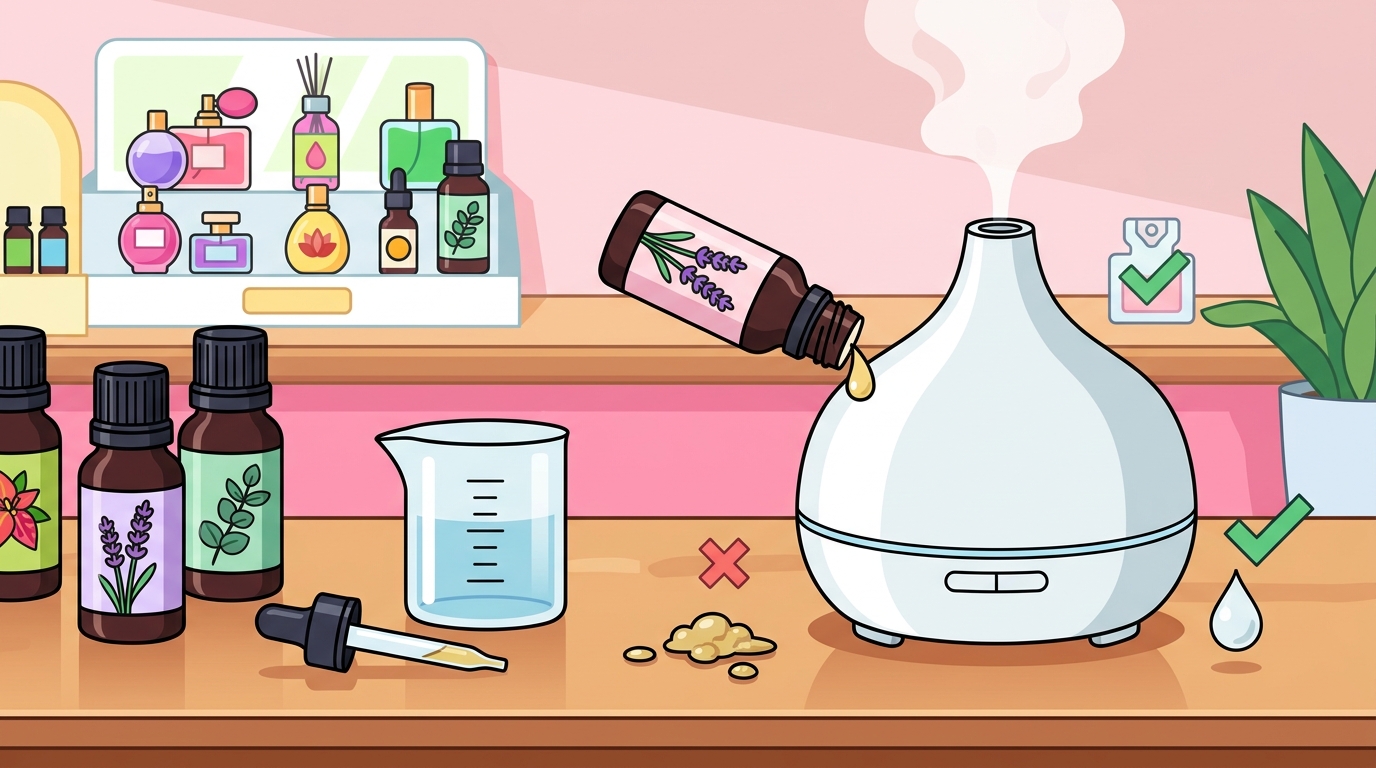
Essential oils are powerful solvents. They can damage certain materials, including some plastics, painted surfaces, and wood finishes. If you have wooden furniture or flooring, be cautious when diffusing citrus oils, which are particularly corrosive. The oils can eat away at the finish, leaving permanent stains or dull spots.
When placing your diffuser, use a protective mat or coaster. This prevents any potential leaks or condensation from damaging your surfaces. If you notice any discoloration or softening of the surface beneath your diffuser, move it immediately. Some plastics are not resistant to essential oils and can become brittle or crack over time.
Always check the manufacturer's guidelines for your specific diffuser model. Some devices are made with oil-resistant materials, while others are not. Understanding the compatibility between your oils and your environment is key to preserving both your health and your home.
Key Takeaways
- Dosage Control: Use only 3-5 drops per 100ml of water to prevent sensory overload and headaches.
- Regular Cleaning: Clean your diffuser weekly with vinegar to prevent bacterial growth and maintain performance.
- Water Quality: Use distilled or filtered water to avoid mineral buildup on the ultrasonic plate.
- Pet Safety: Avoid phenol-rich oils like oregano and thyme in homes with cats due to toxicity risks.
- Oil Purity: Purchase oils with Latin names and GC/MS reports to ensure therapeutic grade quality.
- Surface Protection: Use protective mats to prevent essential oils from damaging wood and painted surfaces.
- Intervals: Diffuse in 30-60 minute intervals to allow your olfactory system to reset.
Frequently Asked Questions
How often should I clean my diffuser?
You should clean your diffuser at least once a week, or more frequently if you use it daily. Regular cleaning prevents the buildup of essential oil residue and bacteria, ensuring that the mist you breathe is clean and safe.
Can I use tap water in my ultrasonic diffuser?
While you can use tap water, it is not recommended. Hard water contains minerals that can clog the ultrasonic plate and reduce the efficiency of the diffuser over time. Using distilled or filtered water is the best practice for longevity and performance.
Are essential oils safe for cats?
Many essential oils are toxic to cats because they lack the liver enzyme needed to metabolize certain compounds. Oils high in phenols, such as oregano, thyme, and wintergreen, should be strictly avoided. Always consult a veterinarian before diffusing oils around pets.
Why does my diffuser stop working after a few months?
Most diffuser failures are due to improper cleaning. Residual oil builds up on the ultrasonic plate, preventing it from vibrating correctly. Regular cleaning with vinegar and water can often resolve this issue. If the device is still under warranty, contact the manufacturer for support.
How long should I diffuse essential oils?
It is best to diffuse in intervals of 30 to 60 minutes. Continuous diffusion can lead to sensory fatigue and potential overexposure. Turning the diffuser off for equal periods allows the air quality to reset and prevents adverse reactions.
What is the difference between essential oils and fragrance oils?
Essential oils are natural extracts from plants, while fragrance oils are synthetic chemicals designed to mimic scents. Essential oils offer therapeutic benefits, whereas fragrance oils do not. Fragrance oils can also leave a sticky residue that is difficult to clean from your diffuser.
Can I mix different essential oils in my diffuser?
Yes, you can mix essential oils to create custom blends. This is a common practice in aromatherapy. Just ensure that the oils you are mixing are compatible and safe for your intended use. Start with small amounts to test the scent and effect.
Start Your Journey to Better Air Quality
Avoiding these common mistakes will help you get the most out of your essential oils and protect your home and health. For expert guidance on selecting the right oils and diffusers for your needs, visit My Ruby and Begonia. Our curated collection of high-quality essential oils and diffusers is designed to support your wellness journey. Explore our shop today to find the perfect products for your space.