

Body butter has evolved from a niche skincare item into a staple for millions seeking deep hydration. According to dermatological data, the skin barrier loses moisture rapidly in low-humidity environments, making occlusive agents like shea and cocoa butter essential for retaining hydration. Choosing the correct formulation is not merely about scent preference but about matching the lipid profile of the product to your specific epidermal needs. This guide breaks down the selection process to ensure you achieve soft, healthy skin without clogging pores or causing irritation.
Understanding Body Butter Composition
Before diving into skin types, it is vital to understand what you are applying to your body. Body butter is defined as a thick, anhydrous emollient typically composed of plant-derived butters and oils. Unlike lotions, which are water-based and require preservatives, body butters are oil-dense. This composition allows them to sit on top of the skin, creating a physical barrier that prevents transepidermal water loss.
The primary ingredients usually include shea butter, cocoa butter, or mango butter. These fats are rich in fatty acids and vitamins A and E. When selecting a product, check the ingredient list. The first few ingredients should be the butter itself, not water or fillers. For those seeking natural skincare solutions, Ruby + Begonia offers a curated selection of high-quality, plant-based butters designed to nourish the skin deeply.
Solutions for Dry and Flaky Skin
If your skin feels tight, looks ashy, or flakes easily, you likely have dry skin. This condition occurs when the skin does not produce enough natural oils to maintain hydration. For this skin type, you need heavy, occlusive butters that can seal in moisture effectively.
Best Ingredients for Dry Skin
Shea butter is widely regarded as the gold standard for dry skin. It contains cinnamic acid, which has anti-inflammatory properties and helps soothe irritated skin. Cocoa butter is another excellent option, known for its ability to improve skin elasticity and texture. When you apply these butters, they melt upon contact with body heat, providing immediate relief to rough patches.
For intense hydration, look for body butters infused with additional oils like coconut or almond oil. These ingredients penetrate the skin barrier to provide nourishment from within. The Whipped Body Frosting line at Ruby + Begonia is specifically formulated to offer this level of deep, lasting moisture for those battling extreme dryness.
Guidance for Sensitive and Reactive Skin
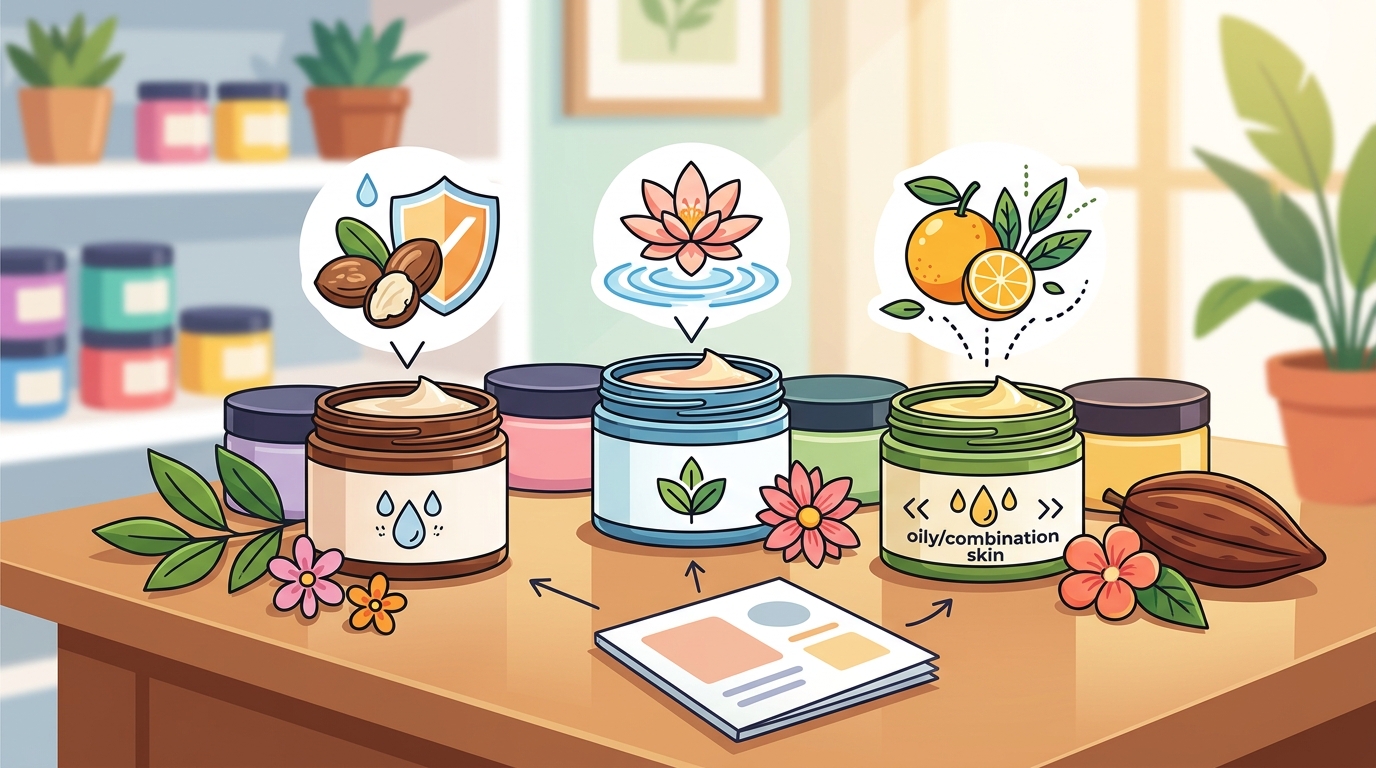
Sensitive skin reacts easily to environmental triggers and chemical ingredients. If you experience redness, itching, or burning after using skincare products, you fall into this category. The goal for sensitive skin is to minimize potential irritants while maximizing soothing properties.
What to Avoid
Many commercial body butters contain synthetic fragrances and parabens to extend shelf life. These chemicals are common triggers for contact dermatitis. Always opt for products labeled "fragrance-free" or those scented only with natural essential oils. Even natural essential oils can be potent, so patch testing is crucial.
Look for simple formulations with minimal ingredients. Aloe vera and chamomile are excellent additions for calming inflammation. Ruby + Begonia prioritizes clean beauty standards, ensuring their Whipped Bath Soap and body butters are free from harsh chemicals that could compromise your skin barrier.
Considerations for Oily and Acne-Prone Skin
It is a common misconception that oily skin does not need body butter. In reality, oily skin often lacks water, leading to overproduction of oil as a compensatory mechanism. However, the wrong type of butter can clog pores and lead to breakouts.
Non-Comedogenic Options
Not all butters are created equal. Cocoa butter, while luxurious, is highly comedogenic and can clog pores for some individuals. If you are prone to body acne, avoid heavy cocoa butter formulations. Instead, look for lighter butters like mango butter or shea butter in a whipped, aerated form. These textures absorb more quickly and leave less residue on the skin.
Ingredients like jojoba oil mimic the skin's natural sebum, helping to regulate oil production without clogging pores. Using a Silky Dry Oil can provide hydration without the heavy, greasy feel associated with traditional body butters, making it a suitable alternative for those with oily concerns.
Product Comparison Matrix
To help you navigate the options, here is a comparison of common body butter ingredients and their suitability for different skin types.
| Ingredient | Best For | Comedogenic Rating | Key Benefit |
|---|---|---|---|
| Shea Butter | Dry, Sensitive Skin | 0-2 | Deep hydration and anti-inflammatory |
| Cocoa Butter | Normal to Dry Skin | 3-4 | Improves elasticity and scent |
| Mango Butter | Oily, Combination Skin | 0-1 | Lightweight absorption |
| Coconut Oil | Very Dry Skin | 4 | Antibacterial properties |
Key Takeaways
- Body butter is an anhydrous emollient that creates a barrier to prevent water loss.
- Dry skin benefits most from shea and cocoa butters due to their high fatty acid content.
- Sensitive skin requires fragrance-free formulations to avoid irritation and inflammation.
- Oily skin should avoid highly comedogenic ingredients like pure cocoa butter.
- Whipped butters offer a lighter texture that absorbs more quickly than traditional blocks.
- Always perform a patch test before applying new products to your entire body.
- Ruby + Begonia offers specialized collections for various skin needs and preferences.
Frequently Asked Questions
Can I use body butter every day?
Yes, daily use is recommended for most skin types to maintain hydration levels. Applying it immediately after showering helps lock in moisture while the skin is still damp.
What is the difference between body butter and body lotion?
Body butter is oil-based and contains no water, making it thicker and more occlusive. Lotion is water-based and absorbs faster but may not provide long-lasting hydration for very dry skin.
Is shea butter good for acne-prone skin?
Shea butter has a low comedogenic rating, making it generally safe for acne-prone skin. However, individual reactions vary, so patch testing is always advised.
How should I store body butter?
Store body butter in a cool, dry place away from direct sunlight. Heat can cause the butters to melt and change texture, potentially affecting their efficacy.
Can body butter help with stretch marks?
While it cannot erase existing stretch marks, regular application of cocoa butter and shea butter can improve skin elasticity and prevent new ones from forming during periods of rapid growth.
What is the best time to apply body butter?
The best time is within three minutes of exiting the shower. This traps water on the skin's surface, maximizing hydration benefits.
Are natural fragrances better than synthetic ones?
Natural fragrances derived from essential oils are often less irritating than synthetic perfumes. However, they can still cause sensitivity in some individuals, so caution is necessary.
Shop Now
Finding the right body butter is a journey of self-discovery. Whether you need the intense relief of a whipped body frosting or the lightweight touch of a silky dry oil, Ruby + Begonia has the perfect solution for your skin. Explore our Bath + Body collection today to transform your skincare routine.